


What are the early clinical symptoms of external hemorrhoids?
Dec 27, 2024
Source: Cainiu Health

Dr. Li Jingxiang
Introduction
In general, early clinical symptoms of external hemorrhoids include anal discomfort, pain, itching, rectal bleeding, and anal swelling. If discomfort occurs, timely medical attention is recommended. It is important to maintain good bowel habits, avoid prolonged time on the toilet, and prevent increased local venous pressure in the anal area. Additionally, maintaining proper anal hygiene by keeping the area clean and dry can help reduce bacterial growth and local irritation.
Generally, the early clinical symptoms of external hemorrhoids include anal discomfort, pain, itching, rectal bleeding, and anal masses. If discomfort occurs, timely medical consultation is recommended. The specific analysis is as follows:
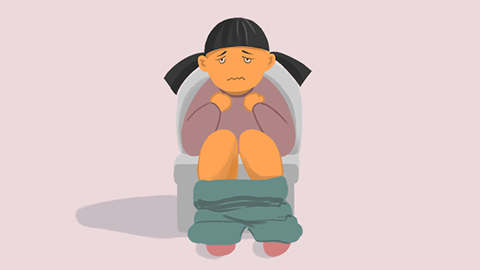
1. Anal Discomfort
Patients often feel a sensation of a foreign body in the anus, as if a mass has prolapsed or there is a local mass present. This is due to the formation of external hemorrhoids, which changes the normal structure and sensation of the anal area. Even when the external hemorrhoid is small in its early stage, it can cause unusual sensations in the anus.
2. Pain
Mild pain may occur in early-stage external hemorrhoids, particularly after defecation, walking, or prolonged sitting. The formation of external hemorrhoids causes local tissue compression and irritation. The nerves around the anus are highly sensitive, and when affected by these adverse factors, they transmit pain signals to the brain.
3. Itching
Itching of the perianal skin is also a common early symptom of external hemorrhoids. External hemorrhoids may lead to incomplete closure of the anus, allowing secretions from the rectum to easily seep out onto the surrounding skin. These secretions can chronically irritate the perianal skin, causing itching. Additionally, inflammatory irritation from the hemorrhoid itself can exacerbate the itching.
4. Rectal Bleeding
Some patients may experience rectal bleeding in the early stages of external hemorrhoids, typically presenting as blood on toilet paper or dripping blood after defecation, with bright red blood. During the development of external hemorrhoids, the mucosal or skin surface of the hemorrhoid may become damaged due to friction or inflammation. When stool passes through the anus during defecation, it can easily cause bleeding from the damaged area.
5. Anal Mass
A soft mass can be felt at the anal margin, which is the most direct manifestation of external hemorrhoids. It forms due to pathological changes such as varicose veins and connective tissue proliferation, resulting in abnormal local tissue elevation and forming a palpable lump. In the early stages, the mass may be small and relatively soft, but it may gradually enlarge and harden as the condition progresses.
In daily life, maintaining good bowel habits is important, such as avoiding prolonged toilet sitting to prevent excessive pressure on the anal veins. Additionally, attention should be paid to local anal hygiene, keeping the anal area clean and dry to reduce bacterial growth and local irritation.


