


What causes a child to have a fever and shivering?
Dec 30, 2024
Source: Cainiu Health

Dr. Zhou Xiaofeng
Introduction
Fever with chills refers to fever accompanied by shivering. In children, fever with chills may be caused by temperature regulation responses, psychological factors, common cold, acute gastroenteritis, bacterial pneumonia, or other reasons. If there is any discomfort, please seek medical attention as soon as possible and receive symptomatic treatment under the guidance of a qualified physician. In daily life, it is important to help children develop good personal hygiene habits, such as washing hands frequently and wearing masks, to reduce the risk of infection.
Generally, fever with chills refers to fever accompanied by shivering. In children, fever with chills may be caused by temperature regulation response, psychological factors, common cold, acute gastroenteritis, bacterial pneumonia, or other reasons. If there is any discomfort, please seek medical attention promptly and receive symptomatic treatment under the guidance of a qualified physician. Detailed analysis is as follows:
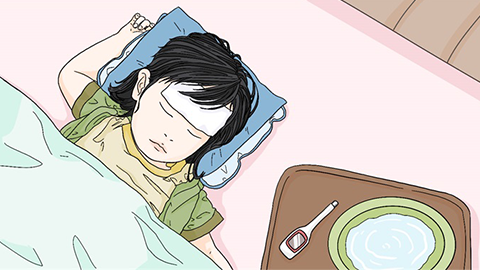
1. Temperature Regulation Response
In the early stages of fever, the body's temperature set point increases, but the actual body temperature has not yet reached the new set point. To raise body temperature quickly, the body produces heat through involuntary skeletal muscle shivering, which manifests as chills. It is important to keep the child warm and avoid sudden exposure to cold; appropriately adjust clothing and maintain a comfortable room temperature.
2. Psychological Factors
During fever, children may experience muscle tension due to discomfort, fear, or other psychological factors, resulting in chills. Provide sufficient comfort and care to reduce the child's fear; create a comfortable environment to help the child relax physically and mentally.
3. Common Cold
A common cold may be caused by viral or bacterial infection. Pathogens invade the upper respiratory tract, triggering an inflammatory response that may lead to elevated body temperature and chills. Symptoms may also include coughing and runny nose. Treatment may include medications such as oseltamivir phosphate granules, acetaminophen oral solution, and isatidis root (banlangen) granules, under the guidance of a physician.
4. Acute Gastroenteritis
Acute gastroenteritis can be caused by bacterial, viral, or parasitic infection. Under the stimulation of inflammation, body temperature typically rises, and severe cases may cause chills. Symptoms may also include diarrhea and vomiting. Patients may take medications such as cefaclor granules, montmorillonite powder, and oral rehydration salts (Ⅲ) according to medical advice.
5. Bacterial Pneumonia
Bacterial pneumonia is caused by bacterial infections such as Streptococcus pneumoniae and Staphylococcus aureus. Lung inflammation may cause fever in children and sometimes chills and high fever. Symptoms may also include difficulty breathing and shortness of breath. Patients may take medications such as potassium penicillin V tablets, ambroxol hydrochloride oral solution, and ibuprofen tablets under a doctor's recommendation.
In daily life, encourage children to develop good personal hygiene habits, such as frequent handwashing and wearing masks, to reduce the risk of infection. Maintain indoor cleanliness and ventilation to reduce pathogen proliferation.


