


What is Hepatitis C?
Dec 30, 2024
Source: Cainiu Health

Dr. Gao Jun
Introduction
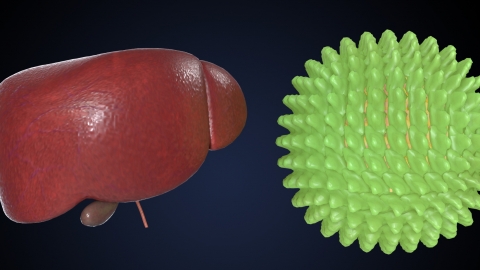
In general, hepatitis C refers to hepatitis C virus (HCV) infection, a type of viral hepatitis caused by the hepatitis C virus. It can be categorized into several types, including acute hepatitis C, acute anicteric hepatitis C, acute icteric hepatitis C, chronic hepatitis C, and hepatitis C-related cirrhosis. Personal hygiene should be maintained in daily life.
Generally, hepatitis C refers to hepatitis C virus (HCV) infection, a type of viral hepatitis caused by the hepatitis C virus. It can be categorized into several types including acute hepatitis C, anicteric acute hepatitis C, icteric acute hepatitis C, chronic hepatitis C, and hepatitis C-related cirrhosis. Detailed classifications are as follows:
1. Acute Hepatitis C
Acute hepatitis C is primarily caused by infection with the hepatitis C virus and is usually transmitted through blood, such as via blood transfusions, use of non-disposable syringes or needles, and dental instruments that have not been strictly sterilized. Serological testing can detect hepatitis C virus antibodies. If antibodies are positive, further confirmation is achieved through nucleic acid testing for the virus.
2. Anicteric Acute Hepatitis C
This condition is similar to acute hepatitis C and is also primarily caused by infection with the hepatitis C virus, but patients do not develop jaundice. Diagnosis can also be made through serological testing and viral nucleic acid testing. However, as the patient does not exhibit jaundice symptoms, diagnosis must be combined with other clinical symptoms and biochemical indicators.
3. Icteric Acute Hepatitis C
This disease is caused by infection with the hepatitis C virus, which damages liver cells and subsequently affects the normal metabolism of bilirubin, leading to jaundice symptoms. In addition to serological and viral nucleic acid testing, liver function tests such as serum bilirubin and transaminase levels should also be conducted to assess the degree of liver damage and severity of jaundice.
4. Chronic Hepatitis C
Chronic hepatitis C develops when acute hepatitis C is either not treated promptly or treatment is incomplete, leading to persistent viral infection and chronic inflammation of the liver. Serological testing confirms the presence of anti-HCV antibodies, along with persistent detection of viral RNA. Liver function tests and histopathological examination of liver tissue are also used to assess the degree of liver inflammation and fibrosis.
5. Hepatitis C-Related Cirrhosis
Hepatitis C-related cirrhosis results from long-term chronic hepatitis C causing continuous liver damage, accompanied by liver cell regeneration and fibrous tissue proliferation. Liver function tests, imaging studies, and histopathological examinations are used to evaluate changes in liver morphology, structure, and function to confirm the diagnosis of cirrhosis.
In daily life, individuals should maintain personal hygiene and avoid sharing items such as syringes, needles, and toothbrushes that may come into contact with blood, in order to reduce the risk of bloodborne transmission.







