


How to adjust diet for poor liver health
Dec 30, 2024
Source: Cainiu Health

Dr. Gao Jun
Introduction
Under normal circumstances, dietary adjustments for poor liver function include increasing intake of high-quality protein, controlling sugar and fat consumption, reducing fat intake, increasing dietary fiber intake, and limiting salt intake. It is also important to maintain regular eating habits, eat meals at regular times and in appropriate quantities, avoid overeating and prolonged fasting, which helps maintain normal liver function.
Generally, dietary management for poor liver health includes increasing intake of high-quality protein, controlling sugar and fat consumption, reducing fat intake, increasing dietary fiber intake, and limiting salt intake. A detailed breakdown is as follows:
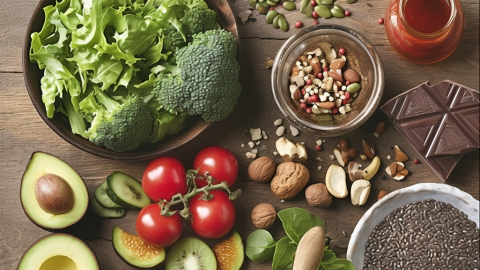
1. Increase Intake of High-Quality Protein
The liver is an important organ for protein synthesis. Adequate high-quality protein aids in liver repair and regeneration. High-quality proteins include low-fat fish, poultry, soy products, milk, and dairy products.
2. Control Sugar Intake
Excessive sugar consumption increases the burden on the liver and may be converted into fat stored in the liver, leading to fatty liver disease. Low-sugar or sugar-free foods and beverages are recommended, while high-sugar foods such as candies, desserts, and sugary drinks should be avoided.
3. Reduce Fat Intake
High-fat foods are not only difficult to digest but also increase the burden on the liver, potentially causing conditions like fatty liver. It is recommended to choose low-fat foods such as lean meats, fish, and soy products, avoid frying or deep-frying, and instead opt for healthier cooking methods such as boiling, steaming, or stewing.
4. Increase Dietary Fiber Intake
Dietary fiber helps remove waste and toxins from the intestines, lowers cholesterol and blood glucose levels, and benefits the liver. Foods rich in dietary fiber include oats, whole wheat bread, vegetables, and fruits.
5. Limit Salt Intake
Excessive salt intake can not only lead to edema and hypertension but may also burden the liver. Salt consumption should be controlled, with low-salt foods and cooking methods preferred. High-salt foods such as pickled products should be avoided as much as possible.
Maintaining regular eating habits, eating meals at fixed times and in appropriate portions, and avoiding overeating or prolonged fasting can help support normal liver function.


