


What is liver disease?
Dec 30, 2024
Source: Cainiu Health

Dr. Gao Jun
Introduction
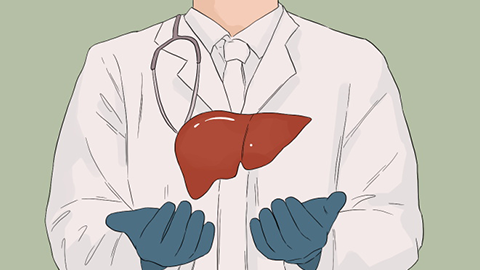
Under normal circumstances, causes of liver disease may include excessive alcohol consumption, improper use of medications, fatty liver disease, alcoholic liver disease, and autoimmune hepatitis. To prevent the development of liver disease, it is recommended to avoid long-term heavy alcohol consumption in daily life to protect liver health. Additionally, regular liver function tests should be conducted to promptly detect and address liver issues.
Generally, causes of liver disease may include excessive alcohol consumption, improper use of medications, fatty liver disease, alcoholic liver disease, and autoimmune hepatitis. It is recommended to seek timely medical consultation and undergo treatment under the guidance of a physician. Detailed explanations are as follows:
1. Excessive Alcohol Consumption
Long-term heavy alcohol consumption can increase the burden on the liver, damage liver cells, and subsequently lead to liver diseases such as fatty liver and alcoholic hepatitis. It is advisable to drink alcohol in moderation or abstain from it altogether, maintain healthy dietary habits, and undergo regular liver function tests.
2. Improper Use of Medications
Long-term or excessive use of certain medications, such as antibiotics and nonsteroidal anti-inflammatory drugs, can damage the liver and lead to drug-induced hepatitis. Medications should be taken strictly as prescribed by a physician, avoiding self-adjustment of dosages or misuse of drugs.
3. Fatty Liver Disease
Fatty liver may be caused by metabolic disorders such as obesity, diabetes, and hyperlipidemia. Fat accumulates in the liver, impairing its normal function. Symptoms may include discomfort in the liver area, fatigue, and reduced appetite. Treatment may include medications such as atorvastatin calcium tablets, rosuvastatin calcium tablets, and silymarin capsules, as directed by a physician.
4. Alcoholic Liver Disease
Alcoholic hepatitis may be associated with long-term heavy alcohol consumption. Alcohol exerts direct toxic effects on liver cells, leading to liver cell injury and necrosis. Symptoms may include jaundice, ascites, and hepatic encephalopathy. Treatment may include medications such as polyene phosphatidylcholine capsules, compound glycyrrhizin tablets, and Anluohuaxian pills, under the guidance of a physician.
5. Autoimmune Hepatitis
Autoimmune hepatitis may occur when the immune system mistakenly attacks liver cells, causing inflammation and damage to the liver. It is often accompanied by symptoms such as fatigue and joint pain. Treatment may involve medications such as prednisone tablets, azathioprine tablets, and entecavir dispersible tablets, as recommended by a physician.
To prevent the development of liver disease, it is recommended to avoid long-term heavy alcohol consumption in daily life to protect liver health. Regular liver function tests should also be conducted to detect and address liver problems promptly.





