


What does Barrett's esophagus mean?
Dec 30, 2024
Source: Cainiu Health

Dr. Shen Yonghua
Introduction
In general, Barrett's esophagus refers to a pathological condition in which the squamous epithelium in the lower segment of the esophagus is replaced by columnar epithelium. Patients should pay attention to dietary control in daily life, avoid consuming excessive spicy, greasy, acidic foods, as well as foods that are prone to cause reflux such as coffee and chocolate, and reduce irritation to the esophagus caused by gastric acid and bile reflux.
Barrett's esophagus generally refers to a pathological phenomenon in which the squamous epithelium in the lower segment of the esophagus is replaced by columnar epithelium. A detailed explanation is as follows:
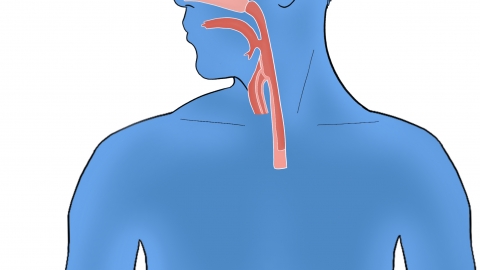
The normal esophageal mucosa is lined with squamous epithelium, which has certain abrasion-resistant and corrosion-resistant properties. When the lower segment of the esophagus is chronically exposed to irritating substances such as gastric acid and bile reflux, the esophageal mucosa undergoes adaptive changes, and the original squamous epithelium becomes replaced by columnar epithelium. This metaplastic columnar epithelium may possess secretory functions and is more tolerant to acidic environments to some extent. Barrett's esophagus is a complication of gastroesophageal reflux disease (GERD) and increases the risk of esophageal adenocarcinoma in patients. This is because under long-term inflammatory stimulation and the effects of harmful factors such as gastric acid and bile, the metaplastic columnar epithelial cells may undergo dysplastic proliferation and potentially progress to cancer.
In daily life, attention should be paid to dietary control, avoiding excessive consumption of spicy, greasy, acidic foods, as well as reflux-inducing items such as coffee and chocolate, thereby reducing irritation to the esophagus caused by gastric acid and bile reflux. After meals, lying down immediately should be avoided, and maintaining an upright or semi-upright position for a period of time is recommended to prevent reflux of gastric contents.



