Four Methods for Rapid Induced Vomiting
Dec 30, 2024
Source: Cainiu Health

Dr. Shen Yonghua
Introduction
In general, there is no established concept of "four methods for rapid emesis." Rapid emesis can be performed through mechanical stimulation, salt-induced emesis, medication-induced emesis, abdominal pressure application, or gastric tube insertion. If symptoms such as suspected food poisoning occur, seek medical attention promptly. After emesis, the body may feel weak or uncomfortable; under such circumstances, appropriate rest is recommended and strenuous activity should be avoided.
Generally speaking, there is no recognized concept of "four methods" for rapid emesis. Rapid emesis can be performed through mechanical stimulation, salt-induced emesis, pharmacological emesis, abdominal pressure-induced emesis, or gastric tube-assisted emesis. Detailed explanations are as follows:
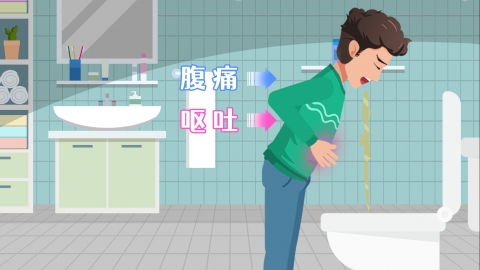
1. Mechanical Stimulation Emesis
Mechanical stimulation emesis involves inducing the vomiting reflex by physically stimulating the throat or base of the tongue. This method typically uses tools such as fingers, chopsticks, or tongue depressors to apply pressure or stimulation to the base of the tongue or throat area. Drinking a glass of warm water before inducing vomiting can help expel stomach contents and enhance the effectiveness of emesis.
2. Salt-Induced Emesis
Salt-induced emesis involves drinking a concentrated saline solution to stimulate the gastric mucosa, thereby inducing vomiting. An appropriate amount of salt should be dissolved in warm water and consumed. The saline solution irritates the gastric mucosa, causing excitation of the vagus nerve, which leads to vomiting.
3. Pharmacological Emesis
Pharmacological emesis involves using specific medications under a physician's guidance to induce vomiting. Commonly used emetic drugs include zinc sulfate tablets and sublingual apomorphine hydrochloride tablets. These medications can induce vomiting by irritating the gastric mucosa or stimulating the central nervous system. Pharmacological emesis should be conducted under medical supervision, as these drugs may carry certain side effects and risks.
4. Abdominal Pressure-Induced Emesis
Abdominal pressure-induced emesis involves applying external pressure to the stomach area, forcing the stomach contents to reflux upward and inducing vomiting. This method requires identifying the location of the stomach and applying moderate pressure to its lower portion. Stomach compression can create a feeling of nausea, which then leads to vomiting.
5. Gastric Tube-Assisted Emesis
If the above methods are ineffective and the situation is urgent, it is recommended to seek treatment at a qualified hospital. A physician may insert a gastric tube through the esophagus into the stomach, aspirate some of the stomach contents and digested food, and then proceed with inducing vomiting.
If physical discomfort or symptoms of suspected food poisoning occur, prompt medical attention should be sought and the physician should be informed of relevant circumstances.