


Why should beef, lamb, and seafood be avoided after breast augmentation surgery?
Jan 17, 2025
Source: Cainiu Health
Dr. Chen Lu
Introduction
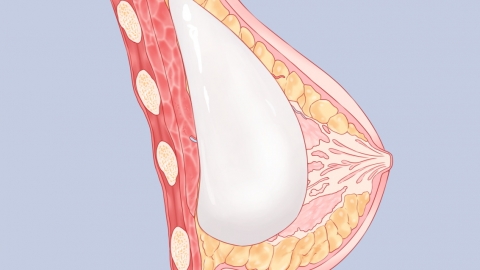
Under normal circumstances, the reasons for avoiding beef, mutton, and seafood after breast augmentation surgery include their status as allergenic foods, the risk of inflammatory reactions, the possibility of allergic responses, fat accumulation issues, and interference with drug absorption. The principle of breast augmentation mainly involves increasing breast tissue volume by implanting artificial materials or performing autologous fat transfer, thereby improving breast shape.
Generally, after breast augmentation surgery, patients are advised not to eat beef, lamb, or seafood due to factors such as the characteristics of these foods as "trigger foods," the risk of inflammatory responses, allergic reactions, fat accumulation, and their potential to interfere with drug absorption. Breast augmentation primarily involves implanting artificial materials into the chest or transferring autologous fat to increase breast volume and improve breast shape, making the chest appear fuller and firmer. The general reference price for breast augmentation surgery is 8,000–15,000 yuan per session, with visible improvement typically noticeable within 7–10 days. However, this procedure carries certain risks such as scarring and infection, so it is recommended to undergo the surgery at a formal hospital. Detailed explanations are as follows:
1. Trigger food characteristics: Beef, lamb, and seafood are often considered trigger foods. According to traditional Chinese medicine theory, these foods may stimulate the body and interfere with wound healing. After breast augmentation surgery, the incision requires time to heal, and consuming such trigger foods may prolong the recovery period and even cause wound inflammation or infection.
2. Risk of inflammatory response: These meats and seafood contain certain components that may increase the risk of inflammatory responses in the body. After surgery, the body is in a state of repair; excessive inflammation may interfere with the normal healing process, worsening symptoms such as swelling and pain.
3. Risk of allergic reaction: Some patients may be allergic to certain components in beef, lamb, or seafood. After surgery, when the immune system may be relatively weakened, consuming allergenic foods could trigger allergic reactions such as skin itching and swelling, potentially affecting the healing of the surgical site.
4. Fat accumulation issues: High-fat foods such as beef and lamb can easily lead to fat accumulation in the body. Although breast augmentation surgery does not involve fat transfer, excessive fat intake post-surgery may affect breast shape and health, making it harder to maintain the surgical results.
5. Interference with drug absorption: After breast augmentation surgery, patients typically need to take anti-infective medications as directed by their physician to promote recovery. Certain components in foods such as beef, lamb, and seafood may interfere with drug absorption and metabolism, thereby reducing drug effectiveness and impairing postoperative recovery.
After breast augmentation surgery, it is important to keep the incision clean and dry to prevent infection. Patients should also rest appropriately and avoid strenuous activity.




