Can lumbar spinal stenosis heal spontaneously?
May 07, 2021
Source: Cainiu Health
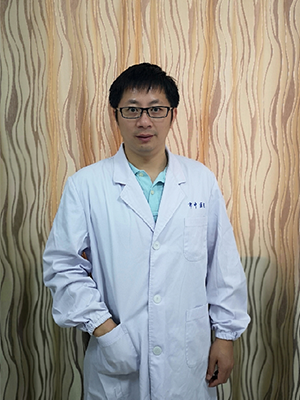
Dr. Zhang Liyong
Introduction
Can lumbar spinal stenosis resolve spontaneously?
Lumbar spinal stenosis cannot resolve spontaneously. It is not a disease per se, but rather a clinical manifestation. Most patients exhibit clear evidence of lumbar spinal stenosis on imaging studies. Early symptoms include low back pain, a sensation of fullness or tightness in the lower back, and weakness of the lumbar musculature. For patients with atypical or mild symptoms, nonsurgical treatment options—including bed rest, traction, massage, and pharmacotherapy—may be employed.
Lumbar spinal stenosis does not resolve spontaneously. It is not a disease per se, but rather a clinical manifestation. Most patients with this condition exhibit clear evidence of lumbar spinal stenosis on imaging studies. Early symptoms commonly include low back pain, a sensation of fullness or tightness in the lower back, and weakness of the lumbar musculature. For patients with atypical or mild symptoms, non-surgical treatments—such as bed rest, traction, massage, or pharmacotherapy—may be employed. Traditional Chinese medicine (TCM) options include herbs that promote blood circulation and resolve blood stasis. Western medications typically include anti-inflammatory and analgesic agents. Patients are generally advised to keep the lumbar region warm and avoid large movements, especially excessive flexion. If pain is severe and localized to a specific point, local corticosteroid injection (nerve block therapy) may be considered. When conservative treatment proves ineffective, minimally invasive procedures such as percutaneous needle-knife release or surgical intervention may be pursued at a hospital. Lumbar spinal stenosis may result from various causes, including osteophyte formation (bone spurs), lumbar disc herniation, ligamentous hypertrophy, or muscular trauma.