


What examinations are needed after breast augmentation?
Jan 21, 2025
Source: Cainiu Health

Dr. Chen Lu
Introduction
Breast augmentation includes various methods such as autologous fat transfer, hyaluronic acid injection, and implant placement. Breast augmentation utilizes surgical or injectable techniques to enhance breast aesthetics. The general reference price for breast augmentation ranges from 5,000 to 80,000 yuan per session, and noticeable improvement is typically observed within 7 to 50 days. In most cases, X-ray examination is required after breast augmentation.
There are various methods for breast augmentation, such as autologous fat transfer breast augmentation, hyaluronic acid injection breast augmentation, and implant-based breast augmentation. These procedures mainly utilize surgery or injections to enhance the aesthetic appearance of the breasts. The general reference price for breast augmentation ranges from 5,000 to 80,000 yuan per session, and visible improvement is typically observed between 7 to 50 days post-procedure. After breast augmentation, patients usually require examinations such as X-ray imaging, breast ultrasound, mammography, biochemical indicator testing, and psychological health evaluation. Detailed explanations are as follows:
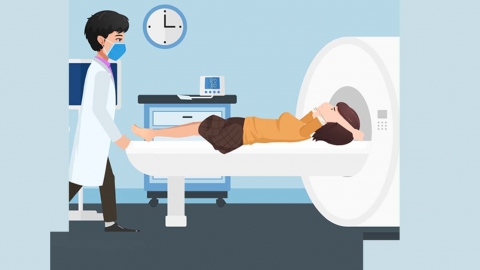
1. X-ray Examination
X-ray imaging clearly shows the position and condition of breast implants. Based on X-ray images, doctors can determine whether implants have shifted, ruptured, or leaked.
2. Breast Ultrasound Examination
Ultrasound provides more detailed images to evaluate the appearance of implants and detect potential complications such as implant rupture, capsule contracture, or cyst formation.
3. Mammography (Breast X-ray)
Mammography, also known as a mammogram, evaluates the internal breast tissue and structure, helping to rule out conditions such as breast cancer and ensuring overall breast health.
4. Biochemical Indicator Testing
Biochemical tests include assessments of complete blood count, hemoglobin levels, coagulation function, liver function, and kidney function. These tests help ensure a smooth recovery after the procedure.
5. Psychological Health Evaluation
Evaluating psychological health helps identify potential mental health issues such as anxiety or depression. Timely psychological counseling and support can be provided to assist patients in better coping with the recovery process.
If necessary, it is recommended to visit a qualified hospital and undergo procedures under the guidance of a qualified physician to avoid adverse effects on your health.








