


What is incompatible with Codonopsis (Dang Shen)?
Jan 21, 2025
Source: Cainiu Health

Dr. Yang Ziqi
Introduction
Codonopsis is a traditional Chinese medicinal herb that may interact with persimmons, seafood, tea, Veratrum, hawthorn, and other substances. However, these foods do not necessarily have to be avoided completely when consuming Codonopsis. Individual reactions may vary. It is recommended that individuals pay attention to their own responses in daily life, and if discomfort occurs after consumption, they should reduce the intake or avoid consuming them together.
Codonopsis is a traditional Chinese medicinal herb that may be incompatible with persimmons, seafood, tea, Veratrum, and hawthorn. Detailed explanations are as follows:
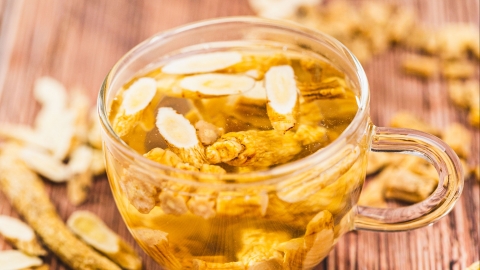
1. Persimmons
Persimmons contain large amounts of tannic acid, which may interfere with the absorption of active ingredients in Codonopsis when consumed together, thereby reducing its therapeutic effectiveness. Additionally, the cold nature of persimmons may conflict with the warming and nourishing properties of Codonopsis, potentially harming gastrointestinal health.
2. Seafood
Some seafood, such as crabs and shrimp, has a cold nature that conflicts with the warming and nourishing properties of Codonopsis. The cold nature of seafood may weaken the warming and nourishing effects of Codonopsis, potentially causing indigestion or exacerbating symptoms of gastrointestinal cold deficiency.
3. Tea
Tea contains tannic acid, which can combine with active ingredients in Codonopsis to form insoluble precipitates, affecting the absorption and efficacy of Codonopsis. Additionally, the cold nature of tea may conflict with the warming and nourishing properties of Codonopsis.
4. Veratrum
Veratrum has effects of inducing vomiting to expel phlegm-wind and killing parasites to treat ulcers, which are contrary to the effects of Codonopsis. Combining these two herbs may cause severe toxic side effects, leading to disruption of the body's energy flow. Symptoms such as nausea, vomiting, abdominal pain, and diarrhea may occur, and in severe cases, it may even endanger life.
5. Hawthorn
Codonopsis has the effect of replenishing qi and nourishing blood, while hawthorn promotes blood circulation and resolves blood stasis. Combining these two may result in conflicting effects, reducing therapeutic efficacy. It may also cause disturbances in the body's circulation of qi and blood, leading to symptoms such as dizziness and palpitations.
However, these foods do not necessarily have to be completely avoided when taking Codonopsis, and individual reactions may vary. It is recommended that individuals pay attention to their own responses in daily life. If discomfort occurs after consumption, the dosage should be reduced or their simultaneous consumption avoided.




