


Can patients with Hashimoto's thyroiditis eat corn?
Jan 22, 2025
Source: Cainiu Health

Dr. Yang Ziqi
Introduction
Under normal circumstances, patients with Hashimoto's thyroiditis can consume corn. Corn is a food with low iodine content and generally does not adversely affect the thyroid due to iodine intake. The thyroid function of patients with Hashimoto's thyroiditis may be affected by autoimmune factors, and both excessive and insufficient iodine intake can interfere with thyroid function. Therefore, choosing low-iodine corn is a suitable option.
Generally, patients with Hashimoto's thyroiditis can consume corn. The detailed analysis is as follows:
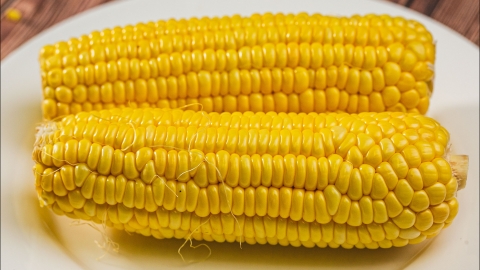
Corn is a food with low iodine content and generally will not adversely affect the thyroid due to iodine intake. The thyroid function of patients with Hashimoto's thyroiditis may be affected by autoimmune factors, and both excessive or insufficient iodine intake could interfere with thyroid function. Therefore, choosing low-iodine corn is appropriate.
Corn contains abundant dietary fiber, which helps promote intestinal motility, prevent constipation, and maintain normal digestive and excretory functions of the intestines. Maintaining good intestinal function helps overall health and contributes to stable thyroid function in patients with Hashimoto's thyroiditis. Corn is also rich in various vitamins and minerals. These nutrients are important for maintaining normal body metabolism and enhancing immunity, helping patients with Hashimoto's thyroiditis to supplement necessary nutrients and improve physical resistance, thus aiding in the stabilization and recovery of their condition.
When consuming corn, patients are advised to control the amount eaten, as excessive intake may cause stomach discomfort or indigestion. Additionally, maintaining a balanced diet with foods such as Chinese cabbage, apples, and eggs is recommended to ensure comprehensive nutritional support for the body.


