


Can pregnant women eat more watermelon to stay cool during hot weather?
Jan 22, 2025
Source: Cainiu Health

Dr. Zhang Lu
Introduction
Pregnant women can eat watermelon to relieve summer heat, but the quantity should be strictly controlled. The water content in watermelon helps replenish fluids lost by pregnant women due to high temperatures, while vitamins C and A are beneficial for fetal development. Additionally, the cellulose in watermelon can help prevent constipation during pregnancy. Moreover, watermelon has a heat-clearing and cooling effect, and moderate consumption can help alleviate discomfort caused by excessive internal heat during pregnancy.
Generally, pregnant women can eat more watermelon to relieve summer heat, but they need to strictly control the amount consumed. The specific analysis is as follows:
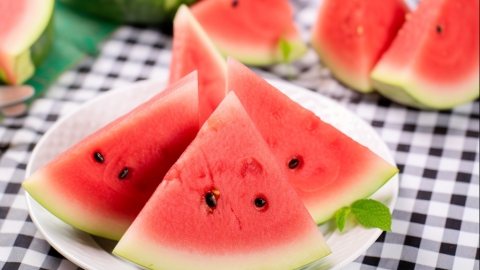
Watermelon contains a high amount of water, which helps replenish fluids lost by pregnant women due to high temperatures. It also contains vitamin C and vitamin A, which are beneficial for fetal development. Additionally, the cellulose in watermelon can help prevent constipation during pregnancy. Moreover, watermelon has a heat-clearing and cooling effect, and moderate consumption can help pregnant women alleviate discomfort caused by heat and increase their sense of comfort. Therefore, pregnant women can moderately consume watermelon to relieve summer heat.
However, watermelon contains relatively high levels of sugar, and excessive consumption may lead to elevated blood sugar levels in pregnant women. Therefore, pregnant women need to strictly control their intake of watermelon. Additionally, watermelon is a cold-natured fruit, and since pregnant women generally have weaker gastrointestinal function, excessive consumption may irritate the gastrointestinal mucosa, causing symptoms such as bloating, abdominal pain, and diarrhea.
When trying to stay cool during the summer, pregnant women can moderately consume watermelon. They should also ensure proper indoor ventilation and avoid prolonged exposure to high-temperature environments to reduce the risk of heatstroke.


