


What conditions are suitable for dental implants?
Jan 24, 2025
Source: Cainiu Health

Dr. Liu Chao
Introduction
Single tooth loss, non-consecutive multiple tooth loss, consecutive multiple tooth loss, complete tooth loss, and cases where patients have high aesthetic and functional demands are suitable for dental implant treatment. It is recommended to visit a reputable hospital and undergo the procedure under the guidance of a qualified dental professional to ensure the safety and stability of the surgery. Postoperatively, maintain good oral hygiene, avoid smoking and alcohol consumption, follow a balanced diet, and schedule regular follow-up appointments.
Generally, dental implants involve surgically placing artificial tooth roots into the jawbone at the site of missing teeth to restore both the appearance and function of natural teeth. The typical reference price for a single dental implant ranges from 3,000 to 20,000 yuan. Improvement is usually noticeable 3-6 months after surgery, although symptoms such as swelling and infection may occur. Dental implants are suitable for patients with a single missing tooth, non-consecutive multiple missing teeth, consecutive multiple missing teeth, complete tooth loss, or those with higher demands for aesthetics and function. Detailed explanations are as follows:
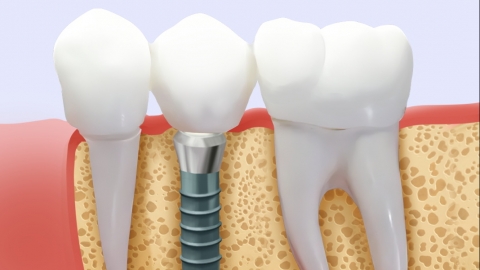
1. Single Tooth Missing
When a patient is missing only one tooth, a dental implant is a preferable restoration method. Unlike traditional bridges, implants do not require grinding adjacent healthy teeth for support, as they function independently like natural teeth. Additionally, single-tooth implants can accurately restore the position and occlusal relationship of the missing tooth, minimizing disruption to the overall chewing system.
2. Non-Consecutive Multiple Teeth Missing
Dental implants are also suitable for replacing multiple non-consecutive missing teeth. Each missing tooth can be restored with a separate implant, preserving as much natural dental tissue and alveolar bone as possible. This approach allows for customized planning based on each missing tooth's specific location and the condition of the jawbone, ensuring the restored teeth match the patient's oral environment in both function and aesthetics.
3. Consecutive Multiple Teeth Missing
In cases of consecutive multiple missing teeth, dental implants can offer a stable fixed restoration solution if the jawbone condition permits. An appropriate number of implants can be placed to support a connected crown or fixed bridge, restoring both the appearance and function of the missing teeth. Compared to traditional fixed bridges, dental implants eliminate the need to grind down healthy adjacent teeth for bridge support.
4. Complete Tooth Loss
For patients experiencing complete tooth loss, dental implants can significantly improve quality of life. Full-mouth implant solutions, such as placing multiple implants followed by the installation of full dentures, can be used. This method provides excellent retention and stability for dentures, greatly enhancing chewing efficiency and wearing comfort.
5. Patients with High Aesthetic and Functional Demands
Dental implants closely resemble natural teeth in appearance. The color and shape of the crown can be customized according to the patient's adjacent teeth and facial characteristics. Patients who have high expectations for both dental aesthetics and functionality can benefit significantly from implants. Functionally, implants offer high chewing efficiency, effectively transmit occlusal forces, and restore normal oral sensation and function.
It is recommended to visit a reputable hospital and undergo these procedures under the guidance of qualified professionals to ensure surgical safety and stability. Postoperatively, maintaining good oral hygiene, quitting smoking and alcohol consumption, eating a balanced diet, following medical advice regarding medications, and attending regular follow-up appointments are essential.


