


What are the symptoms of chronic hepatitis B?
Jan 24, 2025
Source: Cainiu Health

Dr. Gao Jun
Introduction
In general, chronic hepatitis B refers to chronic HBV infection. Symptoms of chronic hepatitis B may include general fatigue, gastrointestinal dysfunction, tendency to bleed, jaundice, pain and discomfort in the liver area. It is important to maintain a balanced diet in daily life, consume more foods rich in vitamins and minerals, and avoid excessive intake of high-fat and high-calorie foods to reduce the burden on the liver.
Generally, chronic hepatitis B refers to chronic HBV infection. Symptoms of chronic hepatitis B may include general fatigue, gastrointestinal dysfunction, bleeding tendency, jaundice, and pain or discomfort in the liver area. The details are as follows:
1. General Fatigue
Patients with chronic hepatitis B often feel fatigued and lack energy. This may be due to the hepatitis B virus attacking liver cells, affecting the liver's normal metabolic and energy conversion functions, resulting in the body being unable to obtain sufficient energy.
2. Gastrointestinal Dysfunction
Gastrointestinal dysfunction is one of the common symptoms in patients with chronic hepatitis B. Due to liver damage and reduced bile secretion, digestive function is affected. Patients may experience symptoms such as nausea, loss of appetite, and abdominal distension. These symptoms are particularly noticeable after meals, leading to a decrease in appetite and further affecting nutrient intake.
3. Bleeding Tendency
Some patients with chronic hepatitis B may experience a tendency to bleed, such as gum bleeding or nosebleeds. This is caused by impaired liver function, leading to reduced synthesis of coagulation factors and decreased clotting ability.
4. Jaundice
When liver cells are damaged, the uptake, conjugation, and excretion of bilirubin are impaired, causing bilirubin to accumulate in the blood. Excess bilirubin deposits on the skin, mucous membranes, and sclera, causing the patient's skin and eyes to appear yellow.
5. Liver Area Pain and Discomfort
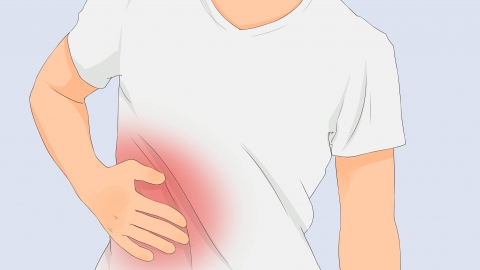
When liver inflammation, swelling, or liver cell necrosis occurs, the liver capsule is stretched and stimulated, causing pain in the liver area. This pain is usually a dull or distending ache and may sometimes worsen upon palpation or impact.
Maintaining a balanced diet and consuming more foods rich in vitamins and minerals while avoiding excessive intake of high-fat and high-calorie foods can help reduce the burden on the liver.



