


Can children with a fever use air conditioning?
Jan 25, 2025
Source: Cainiu Health

Dr. Zhou Xiaofeng
Introduction
Under normal circumstances, fever refers to an elevated body temperature. Whether a child with a fever can be exposed to air conditioning should be determined based on the specific situation. If the indoor temperature is high and不利于 heat dissipation, air conditioning may be appropriately used. However, if the child experiences chills, coldness, or shivering, air conditioning should be avoided. If any discomfort occurs, prompt medical attention is recommended.
Generally speaking, fever refers to an elevated body temperature. Whether a child with a fever can be exposed to air conditioning depends on the specific circumstances. If the indoor temperature is high and not conducive to heat dissipation, air conditioning may be appropriately used. However, if the child experiences symptoms such as chills or cold sensitivity, air conditioning should be avoided. If the child feels unwell, prompt medical attention is recommended. Detailed explanation is as follows:
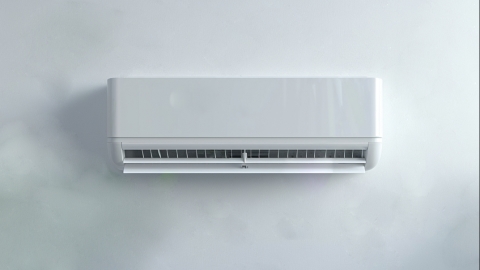
When a child has a fever, if the indoor temperature is high and不利于 heat dissipation, air conditioning can be appropriately used to lower the indoor temperature and help the child dissipate heat more effectively. In such cases, the use of air conditioning should be adjusted to a level that keeps the child comfortable, avoiding excessively low temperatures or directly blowing air onto the child to prevent catching a chill or worsening of the condition.
However, if the child has a fever accompanied by symptoms such as cold sensitivity or chills, it indicates that the child is in a phase of rising body temperature, and air conditioning should be avoided at this time. Exposure to air conditioning may exacerbate these symptoms and make the child feel even more uncomfortable. In addition, if the child is allergic to cold air or has a respiratory condition, air conditioning should also be avoided during fever to prevent worsening of the illness.
It is important to maintain the child's personal hygiene, including frequent hand washing, regular changing of clothes, and keeping the skin clean, in order to reduce the risk of infections caused by pathogens such as bacteria and viruses.


