


Can uterine contractions cause menstrual pain?
Jan 25, 2025
Source: Cainiu Health

Dr. Zhang Lu
Introduction
In general, menstrual pain refers to dysmenorrhea. Uterine contractions can cause dysmenorrhea. If you experience any physical discomfort, it is recommended to seek medical attention promptly. During menstruation, the endometrium releases prostaglandins. Prostaglandins are substances with various physiological functions and can stimulate contractions of the uterine smooth muscle. Under normal circumstances, these contractions help shed the endometrium and expel menstrual blood.
Generally speaking, menstrual pain refers to dysmenorrhea. Uterine contractions may cause dysmenorrhea. If there is any physical discomfort, timely medical consultation is recommended. Detailed analysis is as follows:
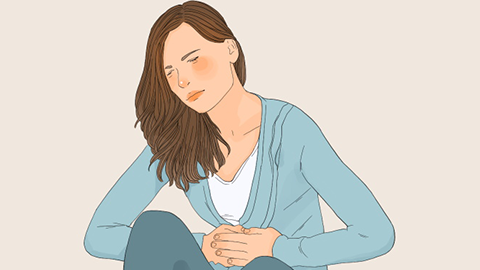
During menstruation, the endometrium releases prostaglandins. Prostaglandins are substances with multiple physiological functions that can stimulate uterine smooth muscle contractions. Under normal circumstances, these contractions help the shedding of the endometrium and the discharge of menstrual blood. When uterine contractions are mild, women may only feel slight abdominal distension or pressure. However, if excessive prostaglandins are produced by the endometrium, they may cause overly strong uterine smooth muscle contractions, leading to uterine ischemia and hypoxia. Uterine ischemia and hypoxia can stimulate pain nerve fibers in the uterus, causing pain.
In addition to uterine contractions, dysmenorrhea can also be caused by emotional tension, excessive stress, endometriosis, uterine fibroids, and other gynecological conditions. For patients experiencing severe pain, medications such as Yanhusuo Analgesic Tablets, Tianqi Dysmenorrhea Capsules, or Tongjing Bao Granules may be used under a doctor's guidance to alleviate symptoms.
During menstruation, applying a hot water bag or warm compress to the lower abdomen can help relieve muscle tension and reduce pain.


