Which medication is suitable for treating menstrual cramps?
Jun 30, 2025
Source: Cainiu Health

Dr. Zhang Lu
Introduction
In general, the appropriate medication for treating menstrual cramps depends on the underlying cause, which may include strong uterine contractions, impaired shedding of the endometrium, endometriosis, pelvic inflammatory disease, or adenomyosis. If discomfort occurs, prompt medical attention is recommended. In daily life, maintaining regular作息 (作息 translates to作息 habits or作息 routine, which could be translated as "habits" or "routine") and engaging in moderate exercise can help regulate bodily functions.
Generally speaking, the appropriate medication for treating menstrual abdominal pain needs to be determined according to the underlying causes of the pain. Common causes include excessive uterine contractions, impaired shedding of the endometrium, endometriosis, pelvic inflammatory disease, and adenomyosis. If discomfort occurs, timely medical consultation is recommended. Detailed analysis is as follows:
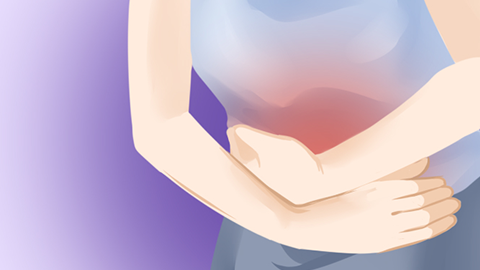
1. Excessive Uterine Contractions
During menstruation, the endometrium releases a chemical substance called prostaglandin, which can cause strong contractions of the uterine smooth muscle, resulting in lower abdominal pain, i.e., dysmenorrhea. In daily life, maintaining a regular routine, avoiding excessive fatigue, engaging in moderate exercise, and consuming foods rich in vitamins and minerals can help prevent dysmenorrhea, and medication is usually not required.
2. Impaired Shedding of the Endometrium
When the endometrium does not shed completely or its discharge is obstructed, it can cause increased intrauterine pressure, which leads to dysmenorrhea. Maintaining healthy lifestyle habits, avoiding excessive cold beverages and cold-natured foods, and staying in a good mood can help improve endometrial shedding and reduce the occurrence of dysmenorrhea. This condition generally does not require medication.
3. Endometriosis
Endometriosis refers to the growth of endometrial tissue outside the uterine cavity, such as on the ovaries or in the pelvic cavity. The displaced endometrial tissue also undergoes cyclical bleeding under hormonal influence, leading to adhesion, inflammation, and pain in surrounding tissues. Symptoms may also include infertility, dyspareunia, and menstrual irregularities. Treatment should follow medical advice and may involve medications such as ibuprofen tablets, ethinylestradiol and cyproterone acetate tablets, and leuprolide acetate microspheres for injection.
4. Pelvic Inflammatory Disease
Pelvic inflammatory disease is usually caused by bacterial infection, with common pathogens including Neisseria gonorrhoeae and Chlamydia trachomatis. Inflammation leads to pelvic congestion and edema, causing pain. Symptoms may also include increased vaginal discharge, fever, and frequent urination. Under medical guidance, medications such as ceftriaxone sodium injection, metronidazole injection, and levofloxacin injection may be used for treatment.
5. Adenomyosis
Adenomyosis is a diffuse or localized lesion caused by the invasion of endometrial glands and stroma into the myometrium. Adenomyosis leads to an enlarged uterus and increased endometrial surface area, resulting in dysmenorrhea. Associated symptoms may include prolonged menstrual periods and increased menstrual flow. Under a doctor's recommendation, medications such as diclofenac sodium sustained-release tablets, goserelin microspheres for injection, and aspirin tablets may be used for treatment.
In daily life, maintaining a regular routine and engaging in moderate physical activity can help regulate bodily functions and reduce the occurrence of dysmenorrhea. Appropriate exercise can promote blood circulation and alleviate pain caused by uterine contractions.