


What are the early symptoms of chronic hepatitis B?
Jan 25, 2025
Source: Cainiu Health

Dr. Gao Jun
Introduction
In general, chronic hepatitis B refers to chronic type B hepatitis. Initial symptoms of chronic hepatitis B include loss of appetite, fatigue and tiredness, discomfort in the liver area, yellow urine, and low-grade fever. It is important to quit smoking, limit alcohol consumption, and avoid unhealthy habits such as excessive fatigue and staying up late, in order to maintain liver health. At the same time, maintaining a positive mindset and emotional stability can also help prevent the occurrence and progression of chronic hepatitis B.
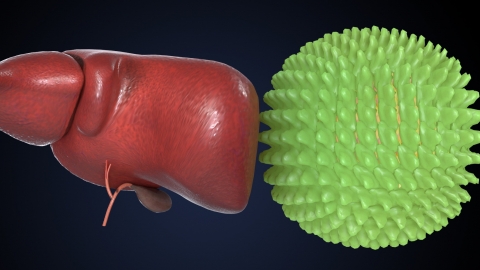
Generally speaking, chronic hepatitis B refers to chronic viral hepatitis B. Early symptoms of chronic hepatitis B include loss of appetite, fatigue, discomfort in the liver area, dark urine, and low-grade fever. Detailed explanations are as follows:
1. Loss of Appetite
In the early stages of chronic hepatitis B, patients may experience a loss of appetite. This occurs because liver damage affects its digestive function, thereby reducing the desire for food. Additionally, decreased bile secretion from the liver may also impair fat digestion and absorption, further worsening the loss of appetite.
2. Fatigue
Fatigue is a common symptom in the early stages of chronic hepatitis B. The hepatitis B virus attacks liver cells, affecting the liver's normal metabolic and energy conversion functions, which leads to insufficient energy supply for the body, causing feelings of fatigue.
3. Discomfort in the Liver Area
Some patients may experience discomfort or mild pain in the liver area during the early stages of chronic hepatitis B. This might be caused by the stretching and irritation of the liver capsule due to liver inflammation, swelling, or liver cell necrosis.
4. Dark Urine
During the early stages of chronic hepatitis B, patients may develop dark-colored urine. This is due to impaired uptake, conjugation, and excretion of bilirubin by the damaged liver, leading to bilirubin accumulation in the blood and subsequent excretion through urine, resulting in dark urine.
5. Low-Grade Fever
Some patients may experience a low-grade fever. This is because the body's immune response to hepatitis B virus infection may cause an increase in body temperature. However, this kind of low-grade fever usually does not exceed 38 degrees Celsius and lasts for a relatively short duration.
In daily life, it is important to quit smoking, limit alcohol consumption, and avoid unhealthy habits such as excessive fatigue and staying up late to maintain liver health. At the same time, maintaining a positive mindset and emotional stability can also help prevent the occurrence and progression of chronic hepatitis B.



