


How can trauma wounds heal without leaving scars?
Jan 25, 2025
Source: Cainiu Health

Dr. Liu Wenmin
Introduction
After an injury occurs, in order to prevent scarring, timely wound cleaning, wound disinfection, wound dressing, proper nutrition, and topical medications are necessary. These measures can help avoid bacterial or other pathogenic infections and promote wound healing and recovery. However, appropriate treatment methods should be selected under a doctor's guidance.
Generally speaking, scars refer to cicatrices. To prevent scarring after an injury, proper wound care can be achieved through wound cleansing, disinfection, dressing, reasonable diet, and topical medications. If the wound is large, prompt medical attention is recommended. Detailed explanations are as follows:
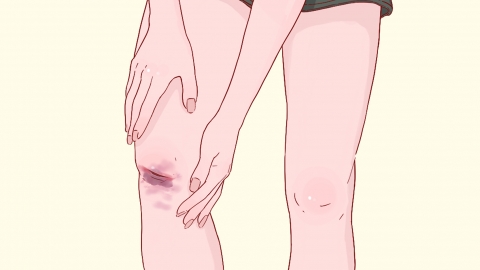
1. Wound Cleansing
After skin injury, the wound should be promptly rinsed with normal saline to remove local debris or blood stains, followed by gently drying the area with a sterile towel or cotton.
2. Wound Disinfection
After thoroughly cleaning the wound, promptly apply antiseptic solutions such as povidone-iodine solution, hydrogen peroxide solution, or benzalkonium chloride solution locally as directed by a physician to reduce the risk of infection.
3. Wound Dressing
If the wound is large, after debridement and care, it should be promptly dressed with medical gauze to prevent contact with external factors that may lead to bacterial or other pathogenic infections. However, the dressing should not be too tight to avoid impairing blood circulation.
4. Balanced Diet
After a wound forms, attention should be paid to maintaining a balanced diet. In the short term, the diet should be light, with an appropriate increase in the intake of vegetables and fruits such as watermelon, dragon fruit, and spinach. However, it is advisable to avoid spicy and irritating foods like chili peppers and ginger.
5. Topical Medications
When skin injury occurs, to prevent scarring, it is recommended to use medications such as asiaticoside cream, compound sodium heparin and allantoin gel, or polysulfated glycosaminoglycan cream under a doctor's guidance. These medications can inhibit excessive scar proliferation and reduce scar volume.
It should be noted that individuals with a scar-prone constitution have a higher risk of scarring. Therefore, timely professional interventions are necessary. Regular follow-ups are also important to adjust the treatment plan according to the scar's healing progress.



