


What are the main manifestations of menstrual disorders?
Jan 25, 2025
Source: Cainiu Health

Dr. Zhang Lu
Introduction
In general, the main manifestations of menstrual disorders include irregular menstrual cycles, abnormal duration of menstruation, abnormal menstrual flow, premenstrual or menstrual discomfort symptoms, amenorrhea, or irregular bleeding. It is recommended to maintain a light and moderate diet in daily life, avoiding excessive consumption of raw, cold, sour, spicy, or other irritating foods, as these may stimulate the uterus and lead to menstrual irregularities.
Generally, the main manifestations of menstrual disorders include irregular menstrual cycle, abnormal duration of menstruation, abnormal menstrual flow, premenstrual or menstrual discomfort symptoms, amenorrhea (absence of menstruation), or irregular bleeding. If experiencing symptoms of menstrual disorders, it is recommended to seek timely medical evaluation and appropriate treatment. A detailed explanation is as follows:
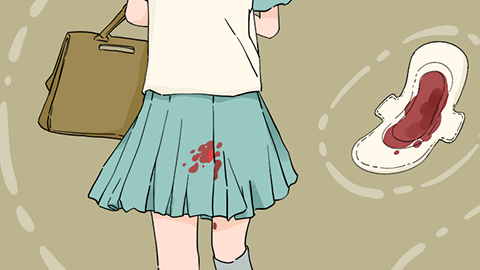
1. Irregular Menstrual Cycle
A normal menstrual cycle typically lasts from 21 to 35 days, while patients with menstrual disorders may experience cycles significantly shorter or longer than this range, making it difficult to predict the onset of the next menstrual period.
2. Abnormal Duration of Menstruation
A normal menstrual period usually lasts 3 to 7 days. Menstrual disorders may cause the period to last longer or shorter than usual. Prolonged menstruation may increase the risk of anemia and infection, while a shortened period may indicate hormonal imbalance.
3. Abnormal Menstrual Flow
Either excessive or scanty menstrual bleeding can be signs of menstrual disorders. Heavy menstrual bleeding may require frequent pad changes and can even lead to symptoms of anemia. On the other hand, very light menstrual flow may involve only spotting or minimal bleeding.
4. Premenstrual or Menstrual Discomfort Symptoms
Women with menstrual disorders may experience various discomforts before or during menstruation, such as breast tenderness, headache, abdominal pain, back pain, mood swings, anxiety, or depression. These symptoms can vary in severity and differ among individuals.
5. Amenorrhea or Irregular Bleeding
In more severe cases, menstrual disorders can lead to amenorrhea—when menstruation is absent for several consecutive months. This may be caused by abnormal ovarian function, endometrial pathology, hormonal imbalances, or other factors. Patients may also experience vaginal bleeding outside of the menstrual period, such as intermenstrual bleeding or postcoital bleeding, which are also signs of menstrual disorders.
A daily diet should be mild and gentle. Avoid consuming excessive raw, cold, sour, spicy, or other irritating foods, as these may stimulate the uterus and lead to menstrual irregularities.





