


Does Pseudostellaria heterophylla (Prince's ginseng) harm or protect the liver?
Jan 25, 2025
Source: Cainiu Health

Dr. Zhang Xiuhong
Introduction
Under normal circumstances, if used correctly, Pseudostellariae Radix (Prince's Ginseng) can usually help protect the liver; however, if used indiscriminately, it may cause liver damage. The use of Chinese herbal medicines should follow medical advice. When using Pseudostellariae Radix, do not arbitrarily adjust the dosage or change the method of administration on your own to avoid unnecessary harm to the liver. Additionally, pay attention to your body's response after taking the medication, and seek medical help promptly if any discomfort occurs.
Generally speaking, if used correctly, Pseudostellariae Radix (Prince ginseng) can usually help protect the liver. However, if used indiscriminately, it may cause liver damage. The use of Chinese herbal medicines should follow medical advice. Detailed analysis is as follows:
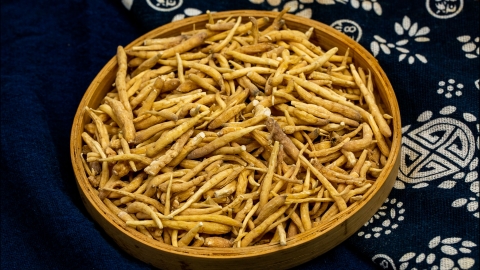
Pseudostellariae Radix is a traditional Chinese medicine that has functions of invigorating qi, strengthening the spleen, promoting body fluid production, and moistening the lungs. Its various active ingredients can help enhance liver metabolism and reduce the burden on the liver, thereby providing a certain degree of liver protection.
If Pseudostellariae Radix is used arbitrarily, especially without guidance from a qualified physician, abuse or excessive use may harm the liver. Each individual's constitution and health condition differ, and responses to Pseudostellariae Radix may vary accordingly. Improper use may lead to drug-induced liver injury, causing abnormal liver function indicators such as elevated transaminase levels. Particularly with long-term and excessive consumption, it may increase the liver's metabolic burden and even lead to more severe liver damage.
When using Pseudostellariae Radix, do not arbitrarily adjust the dosage or change the method of administration on your own, to avoid unnecessary liver damage. Additionally, pay attention to your body's response after taking the medication, and seek medical attention promptly if any discomfort occurs.




