


What are the benefits and nutritional value of children eating cherries?
Feb 06, 2025
Source: Cainiu Health

Dr. Yang Ziqi
Introduction
The benefits of children consuming cherries in moderation include blood nourishment and anemia prevention, enhanced immunity, improved vision development, better skin health, and support for growth and development. Cherries contain nutrients such as iron, vitamin C, vitamin A, dietary fiber, and carbohydrates. However, please note that cherries have pits. Parents should ensure the pits are removed before giving cherries to children to avoid adverse effects from accidental inhalation or swallowing.
Generally, the benefits of children consuming cherries in moderation include blood nourishment and anemia prevention, enhanced immunity, improved vision development, better skin health, and promotion of growth and development. Nutrients present in cherries include iron, vitamin C, vitamin A, dietary fiber, carbohydrates, etc. A detailed explanation is as follows:
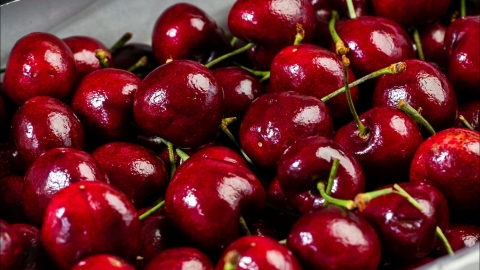
I. Benefits
1. Blood Nourishment and Anemia Prevention
The iron content in cherries is an essential component for hemoglobin synthesis. Children consuming cherries in moderation can effectively replenish iron levels in the body, helping to prevent and improve iron-deficiency anemia.
2. Enhanced Immunity
Antioxidants such as vitamin C in cherries can enhance children's immunity and improve their resistance to pathogens. Moderate cherry consumption helps prevent colds and other illnesses.
3. Vision Development Promotion
Cherries are rich in anthocyanins and other compounds that improve ocular blood circulation and promote retinal cell regeneration. Moderate cherry consumption helps protect children's eye health and prevent myopia.
4. Improved Skin Health
Antioxidants in cherries help protect the skin from free radical damage and promote skin cell regeneration and repair. Moderate cherry consumption can improve children's skin health.
5. Growth and Development Promotion
Cherries contain potassium, magnesium, and other elements that participate in human metabolic processes and help maintain vital activities. Moderate cherry consumption promotes children's bone health and intellectual development.
II. Nutrition
1. Iron
Cherries are rich in iron, an essential component for hemoglobin synthesis. Moderate consumption helps prevent and improve iron-deficiency anemia and supports children's growth and development.
2. Vitamin C
Cherries are rich in vitamin C, which enhances immunity and facilitates iron absorption. Moderate cherry consumption supports collagen synthesis and maintains healthy skin and bones.
3. Vitamin A
Cherries contain a certain amount of vitamin A, which helps maintain normal retinal function. Moderate cherry consumption promotes retinal cell regeneration and protects children's vision.
4. Dietary Fiber
Cherries are rich in dietary fiber, which helps stimulate intestinal motility and improves digestive function. Moderate cherry consumption helps relieve constipation and maintain intestinal health.
5. Carbohydrates
Cherries contain a certain amount of carbohydrates, such as glucose and fructose. Moderate consumption provides children with the necessary energy to support daily activities and physiological metabolism.
However, note that cherries have pits. Parents should ensure they are removed before giving cherries to children to avoid accidental inhalation or swallowing, which may cause adverse effects.





