


Can matsutake mushrooms be eaten with fish?
Feb 07, 2025
Source: Cainiu Health

Dr. Yang Ziqi
Introduction
Under normal circumstances, matsutake mushrooms can be consumed with fish. Matsutake mushrooms are rich in protein, various amino acids, unsaturated fatty acids, vitamins, minerals, matsutake polysaccharides, matsutake peptides, and other nutrients. Matsutake polysaccharides have immune-enhancing and anti-tumor properties. Unsaturated fatty acids help lower cholesterol levels and are beneficial for cardiovascular health.
Generally speaking, matsutake mushrooms can be eaten with fish. The detailed analysis is as follows:
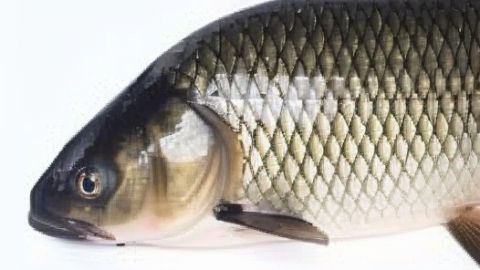
Matsutake mushrooms are rich in protein, various amino acids, unsaturated fatty acids, vitamins, minerals, matsutake polysaccharides, matsutake polypeptides, and other nutrients. Matsutake polysaccharides have immune-enhancing and anti-tumor properties. Unsaturated fatty acids help lower cholesterol and benefit cardiovascular health. Fish is an important source of high-quality protein and also rich in various vitamins, minerals, and unsaturated fatty acids. It benefits brain and nervous system development and can reduce the risk of cardiovascular diseases.
The nutrients in matsutake mushrooms and fish do not conflict with each other; eating them together can achieve nutritional complementarity. The vitamins and minerals from matsutake mushrooms work synergistically with the proteins and fatty acids in fish, helping provide more comprehensive nutritional support. Moreover, matsutake mushrooms have a unique aroma and delicious flavor that complement the taste of fish, enhancing the overall flavor of the dish.
When consuming, it is important to eat in moderation, as excessive consumption may lead to nutritional excess or digestive discomfort. Additionally, when choosing matsutake mushrooms and fish, attention should be paid to freshness and quality. Avoid consuming spoiled or contaminated food to prevent adverse effects on health.




