


Can matsutake mushrooms and crab be eaten together?
May 15, 2025
Source: Cainiu Health

Dr. Yu Yongchao
Introduction
Suillus luteus is rich in protein, polysaccharides, vitamins, and minerals; its umami components enhance the flavor of dishes. Crabs provide high-quality protein, unsaturated fatty acids, and trace elements such as calcium and phosphorus. The two ingredients complement each other nutritionally, offering a diverse range of nutrients to the human body. From a compositional compatibility perspective, both are common food items whose components will not undergo chemical reactions to produce harmful substances.
Matsutake mushrooms and crabs can generally be consumed together, but moderation is advised.
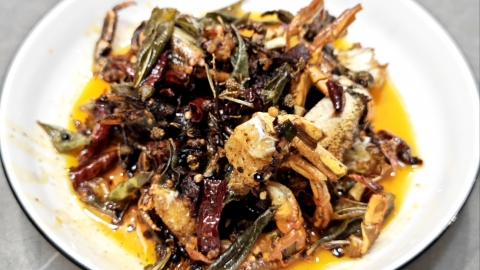
Matsutake mushrooms are rich in protein, polysaccharides, vitamins, and minerals, and their umami components can enhance the flavor of dishes. Crabs provide high-quality protein, unsaturated fatty acids, and trace elements such as calcium and phosphorus. The nutritional profiles of these two ingredients complement each other, offering a diverse range of nutrients. From the perspective of ingredient compatibility, both are common foods whose components do not chemically react to produce harmful substances. Normally combined, they generally do not cause adverse reactions and therefore can usually be eaten together.
However, both are high-protein foods, and excessive consumption may increase the digestive burden on the gastrointestinal tract, particularly for individuals with weak digestion or those suffering from gastritis or cholecystitis, potentially leading to discomfort such as bloating and diarrhea. Additionally, crabs are considered cold in nature according to traditional dietary concepts, and are usually consumed with warming seasonings such as ginger and vinegar. Matsutake mushrooms, on the other hand, are warm in nature. Although the cold and hot properties of these two ingredients may partially neutralize each other, individuals with cold body constitutions should still control their intake to avoid exacerbating internal coldness.
Furthermore, freshness of the ingredients is crucial. Spoiled matsutake mushrooms may develop mold, while dead crabs can produce histamine toxins, both of which may cause food poisoning. It is essential to ensure the freshness of the ingredients and thoroughly cook them before consumption.


