


What causes headaches in the evening?
Feb 07, 2025
Source: Cainiu Health

Dr. Lv Zhiqin
Introduction
In general, headaches occurring in the evening may be caused by factors such as changes in light, excessive fatigue, migraines, autonomic nervous system dysfunction, or hypertension. Symptomatic management may involve general treatment and medication. If symptoms persist, it is recommended to seek timely medical attention. Additionally, it is advised to develop healthy lifestyle habits, maintain regular作息 (作息 should be translated as "routine"), and engage in appropriate physical activity to help improve overall health.
Generally, headaches occurring in the evening may be caused by changes in light, excessive fatigue, migraine, autonomic nervous system dysfunction, hypertension, and other factors. Symptomatic treatment such as general treatment and medication may be needed. Once physical discomfort occurs, it is advisable to visit a hospital for diagnosis and treatment as soon as possible. Detailed analysis is as follows:
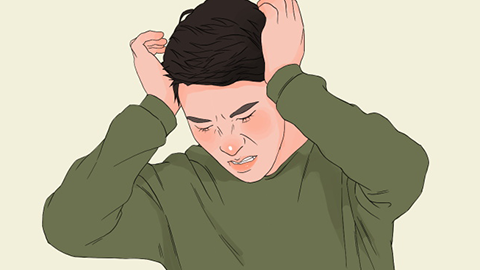
1. Light Changes
In the evening, natural light intensity gradually decreases, and the contrast between indoor and outdoor lighting increases, which may lead to eye fatigue and subsequently cause headaches. Symptoms may include dry eyes and blurred vision. It is recommended to avoid prolonged eye use during the evening hours and to use eye-protecting lamps that provide soft and even illumination.
2. Excessive Fatigue
Extended periods of work or study can lead to excessive fatigue in the brain and eyes. This fatigue can impair blood circulation in the brain and eyes, causing vascular congestion, and prolonged eye muscle tension can also cause headaches. Symptoms may include listlessness, lack of concentration, and dry eyes. It is recommended to take regular breaks, ensure adequate sleep, and avoid working or studying continuously for long periods.
3. Migraine
Genetic factors, environmental factors, and endocrine or metabolic factors may all cause migraines. In the evening, changes in environment or hormonal fluctuations may trigger migraine attacks, which may be accompanied by symptoms such as nausea, vomiting, and sensitivity to light. Patients may take medications such as aspirin enteric-coated tablets, diclofenac sodium sustained-release tablets, or ibuprofen sustained-release capsules as directed by a physician to alleviate discomfort caused by migraines.
4. Autonomic Nervous System Dysfunction
In the evening, environmental changes may trigger symptoms such as anxiety, irritability, and depression in some patients, leading to autonomic nervous system dysfunction. This may manifest as headaches caused by cerebral vasodilation and may be accompanied by insomnia, vivid dreams, palpitations, and other symptoms. It is recommended to take medications such as sertraline hydrochloride tablets, propranolol hydrochloride tablets, or diazepam tablets under medical guidance for treatment.
5. Hypertension
In the evening, increased activity of the sympathetic nervous system may lead to elevated blood pressure. High blood pressure increases tension in the blood vessel walls, causing headaches, which may be accompanied by cardiovascular symptoms such as palpitations and chest tightness. It is recommended to take medications such as nifedipine tablets, methyldopa tablets, or captopril sustained-release tablets according to medical advice to relieve symptoms.
It is recommended to develop good daily habits, maintain regular作息 (作息 here might mean作息 schedule), and engage in appropriate exercise to help strengthen overall physical health.



