


What are the benefits of nasogastric feeding for premature infants?
Feb 08, 2025
Source: Cainiu Health

Dr. Zhou Xiaofeng
Introduction
Nasogastric feeding provides benefits for premature infants, including supplemental nutrition, prevention of choking, reduction of gastrointestinal discomfort, promotion of gastrointestinal function maintenance, and improvement of quality of life. Nasogastric feeding ensures they receive adequate nutritional support, reduces feeding-related risks, and promotes physical recovery and growth. However, nasogastric feeding should be performed under a doctor's guidance to ensure safety and effectiveness.
Generally, nasogastric feeding can provide preterm infants with various benefits, including nutritional supplementation, prevention of choking, reduction of gastrointestinal discomfort, promotion of gastrointestinal function maintenance, and improvement of survival quality. The specific details are as follows:
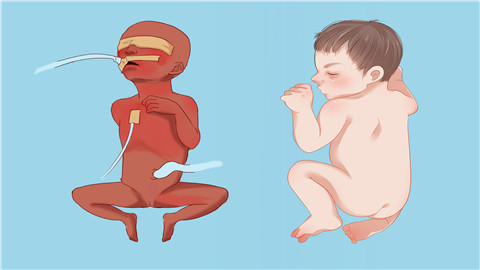
1. Nutritional supplementation: Due to the immature development of various organs, preterm infants may experience difficulties with feeding. Nasogastric feeding ensures that preterm infants receive sufficient nutrition to meet their growth and developmental needs, preventing hunger and failure to sustain growth caused by the inability to eat orally.
2. Prevention of choking: Nasogastric feeding allows the gradual delivery of food into the stomach via a feeding tube, avoiding the risk of choking caused by poor swallowing ability, thus reducing the risk of aspiration pneumonia and other complications.
3. Reduction of gastrointestinal discomfort: Nasogastric feeding enables control over the volume and speed of food delivery, preventing overfeeding and reducing the occurrence of indigestion and gastrointestinal discomfort. Additionally, nasogastric feeding ensures that the food is at an appropriate temperature, avoiding gastrointestinal irritation caused by excessively hot or cold food.
4. Promotion of gastrointestinal function maintenance: Compared with parenteral nutrition, nasogastric feeding helps maintain gastrointestinal function in preterm infants, reducing the risks of mortality and infectious complications.
5. Improvement of survival quality: Nasogastric feeding ensures balanced nutritional support for preterm infants, aiding in their physical recovery and growth, thereby enhancing their survival quality and overall health.
Nasogastric feeding ensures adequate nutritional support, reduces feeding-related risks, and promotes physical recovery and growth. However, nasogastric feeding should be performed under the guidance of a physician to ensure its safety and effectiveness.






