


Can I eat lychee after eating lobster?
Feb 10, 2025
Source: Cainiu Health

Dr. Yang Ziqi
Introduction
Lobster is rich in minerals such as calcium, sodium, potassium, magnesium, and phosphorus, as well as various vitamins including niacin, B-complex vitamins, and vitamin E. These components help maintain the health of muscles, bones, and the immune system. Lychee, on the other hand, is a fruit abundant in sugars, protein, fat, vitamins, and multiple minerals, with particularly notable contents of vitamin C and protein.
Generally speaking, after eating lobster you can also eat lychee, but it should be consumed in moderation. Detailed analysis is as follows:
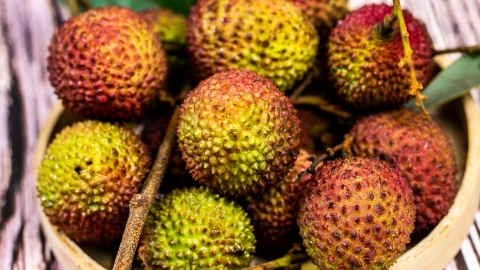
Lobster contains abundant minerals such as calcium, sodium, potassium, magnesium, and phosphorus, as well as various vitamins including niacin, B-complex vitamins, and vitamin E. These components help maintain the health of muscles, bones, and the immune system. Lychee, on the other hand, is a fruit rich in sugars, proteins, fats, vitamins, and multiple minerals, particularly notable for its high content of vitamin C and protein. These nutrients help enhance immunity and promote metabolism.
The protein and minerals from lobster combined with the sugars and vitamins from lychee can provide more comprehensive nutritional support to the body. Lobster and lychee do not undergo any special chemical reactions nor produce toxic or harmful substances when consumed together. However, moderation should be practiced during consumption. Due to its high protein content, lobster can create a feeling of fullness. Meanwhile, lychee contains considerable sugars and dietary fiber, and excessive consumption may increase the burden on the gastrointestinal tract, leading to indigestion, abdominal pain, bloating, and other symptoms.
Individuals allergic to seafood or lychee should avoid consumption. Additionally, diabetic patients or those with poor blood sugar control should consume lychee in moderation due to its high sugar content, to prevent fluctuations in blood glucose levels.


