


Is white phlegm a sign of excess heat or cold in the lungs?
Feb 10, 2025
Source: Cainiu Health

Dr. Ren Yi
Introduction
Generally, if a patient coughs up white phlegm that is thin in consistency and clear in color, and also presents with symptoms of cold invasion such as chills, cold hands and feet, fatigue, low-pitched coughing, sore throat, runny nose with clear discharge, and sneezing, this is typically indicative of cold in the lungs. If the white phlegm is thick, sticky, and difficult to expel, and is accompanied by signs of heat, it may be caused by heat in the lungs.
Generally, if phlegm is thin in consistency, light in color, and accompanied by symptoms of external contraction of cold such as aversion to cold, it may indicate cold in the lung. Conversely, if the phlegm is thick, difficult to expel, and accompanied by signs of heat, it may be caused by heat in the lung. If any abnormalities occur, timely medical consultation is recommended. Detailed analysis is as follows:
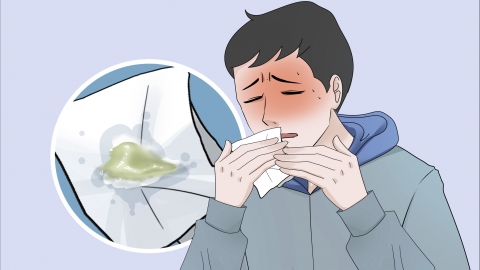
If a patient coughs up white phlegm that is thin and clear in appearance, accompanied by symptoms of external contraction of cold such as chills, cold hands and feet, fatigue, low-pitched coughing, sore throat, runny nose with clear discharge, and sneezing, it typically indicates cold in the lung. Lung cold is commonly caused by external contraction of cold pathogens, cold phlegm lurking in the lung, or deficiency of lung qi, leading to the coagulation of body fluids into phlegm, which usually appears white and thin in consistency.
Coughing up white phlegm may also be an early or specific manifestation of lung heat. When the phlegm becomes thick and sticky, difficult to expel, and accompanied by symptoms of heat such as sore throat, nasal congestion, yellow or purulent nasal discharge, fever, flushed face, and red eyes, it may indicate lung heat. Additionally, lung deficiency heat caused by yin deficiency and lung dryness may also present with coughing up white phlegm. In such cases, the phlegm is usually minimal and may contain small streaks of blood, along with symptoms of yin deficiency such as five-center heat (palms, soles, chest), night sweats, and潮hot flushes.
In daily life, maintaining a healthy lifestyle, improving dietary habits, engaging in appropriate physical exercise, and enhancing overall physical condition can help reduce the risk of illness.



