


Can people with spleen and stomach deficiency eat seaweed?
Feb 11, 2025
Source: Cainiu Health

Dr. Shen Yonghua
Introduction
People with weak spleen and stomach can eat nori, but should consume it in moderation. Nori is rich in protein, dietary fiber, various vitamins, minerals, phycobiliprotein, and polysaccharides, offering high nutritional value. Dietary fiber can promote intestinal motility, helping individuals with weak spleen and stomach improve digestion, prevent constipation, and enhance the digestion and absorption of food within the gastrointestinal tract.
Generally, individuals with weak spleen and stomach can consume seaweed, but it should be eaten in moderation. The detailed explanation is as follows:
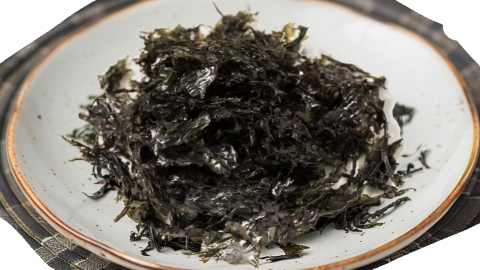
Seaweed is rich in protein, dietary fiber, multiple vitamins, minerals, phycobiliprotein, and polysaccharides, offering high nutritional value. Dietary fiber can promote intestinal motility, helping individuals with weak spleen and stomach improve digestion, prevent constipation, and better digest and absorb food within the gastrointestinal tract. Seaweed provides rich nutrition for individuals with weak spleen and stomach and relatively weak physical conditions, enhancing their physical strength and supporting the immune system and tissue repair capabilities, thereby indirectly supporting the recovery and nourishment of the spleen and stomach.
Although seaweed is highly nutritious, excessive consumption may cause symptoms such as abdominal pain, bloating, nausea, and vomiting. Individuals with weak spleen and stomach already have compromised digestive function, and overeating seaweed may worsen their symptoms. Additionally, it is recommended to cook seaweed thoroughly or consume it in soups to reduce gastrointestinal irritation. As seaweed has a cooling nature, those with weak spleen and stomach should avoid consuming it raw or in cold dishes.
Individuals with weak spleen and stomach should focus on maintaining a balanced diet, consume an appropriate amount of warming and nourishing foods, and avoid cold, raw, greasy, and spicy foods.




