


How long does it take for the flu vaccine to produce antibodies?
Feb 13, 2025
Source: Cainiu Health

Dr. Ren Yi
Introduction
Under normal circumstances, it takes about 2-3 weeks after receiving the flu vaccine for antibodies to develop, although the exact time may vary from person to person. After influenza vaccination, the antigen components in the vaccine are recognized by antigen-presenting cells in the immune system. These cells are capable of synthesizing and secreting specific antibodies. This process tends to occur more quickly in individuals with stronger immune system function and more rapid immune responses.
Generally, it takes about 2-3 weeks after receiving the influenza vaccine for antibodies to develop, although the exact time may vary from person to person. The explanation is as follows:
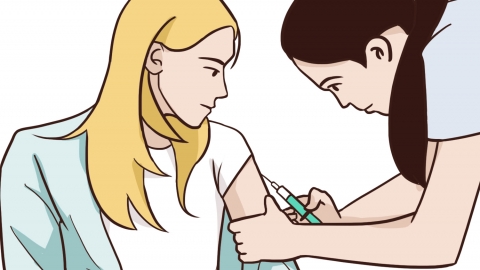
After receiving the influenza vaccine, the antigenic components in the vaccine are recognized by antigen-presenting cells in the immune system. These cells are capable of synthesizing and secreting specific antibodies. For individuals with stronger immune systems and faster immune responses, this series of immune reactions can be completed in about two weeks after vaccination, thereby generating sufficient antibodies to provide protection against the influenza virus.
However, some elderly individuals, children, or people with pre-existing immune deficiencies may experience a slower immune response, including antigen recognition, activation of immune cells, and antibody synthesis and secretion. Additionally, some people may have underlying medical conditions, such as diabetes or cardiovascular disease, which can affect overall metabolism and immune function, potentially delaying the immune response and extending the time required for antibody production to up to three weeks.
After receiving the influenza vaccine, it is important to maintain healthy lifestyle habits and ensure adequate sleep, allowing the body sufficient time for immune regulation and recovery.





