


Can you still get influenza A after receiving the flu vaccine?
Dec 02, 2025
Source: Cainiu Health

Dr. Ren Yi
Introduction
In general, influenza vaccine refers to a vaccine that prevents infection by the influenza virus. Whether one can still get H1N1 flu after receiving the influenza vaccine depends on specific circumstances following vaccination. If any discomfort occurs, prompt medical attention is recommended. Preventing H1N1 flu also requires attention to daily lifestyle habits. Keep indoor areas well-ventilated by opening windows regularly each day to reduce spaces where viruses can proliferate. Wear a mask when going outdoors.
Generally, influenza vaccines refer to vaccines that prevent infection by the influenza virus. Whether one can still contract H1N1 flu after receiving the flu vaccine depends on specific circumstances following vaccination. If any discomfort occurs, prompt medical attention is recommended. The detailed explanation is as follows:
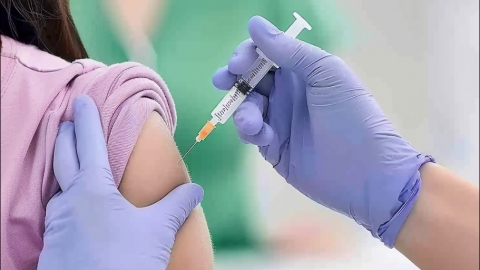
The effectiveness of the influenza vaccine depends on how well the H1N1 strain included in the vaccine matches the circulating virus strains. If the circulating H1N1 virus mutates after vaccination, the protective efficacy of the vaccine may decrease. Additionally, it takes about 2 to 4 weeks after vaccination for the body to produce sufficient antibodies; if exposed to the H1N1 virus before antibodies develop, infection may still occur. Individual differences in immune function also play a role—some people may produce lower levels of antibodies after vaccination, making them less protected against viral invasion.
When the H1N1 strain in the vaccine closely matches the circulating strain in a given season, it effectively activates the body's immune system, creating targeted protection and reducing the likelihood of infection. Even if vaccinated individuals do become infected with H1N1, symptoms such as fever and muscle pain are typically less severe, illness duration is shorter, and the risk of complications is reduced, thereby providing a fundamental level of health protection.
Preventing H1N1 flu also requires attention to daily lifestyle habits. Maintain indoor ventilation by opening windows regularly each day to reduce spaces where viruses can proliferate. Wear masks when going out, and avoid crowded places with poor air quality. Develop a habit of frequent handwashing using running water and soap to thoroughly clean hands. Ensure adequate sleep, maintain a balanced diet, and engage in regular physical exercise to strengthen the immune system and comprehensively reduce the risk of infection.




