


Can baking soda treat excess stomach acid?
Feb 17, 2025
Source: Cainiu Health

Dr. Shen Yonghua
Introduction
In general, if there is excessive stomach acid and symptoms are mild, baking soda may be used as an adjunctive treatment. However, in specific situations such as severe symptoms, the presence of other medical conditions, or concurrent use of other medications, using baking soda may not be appropriate. When using baking soda to treat excessive stomach acid, it is essential to strictly follow the dosage recommendations provided by a healthcare professional or as indicated on the product label.
Generally speaking, if there is excessive stomach acid with mild symptoms, baking soda (sodium bicarbonate) may be used as an adjunctive treatment. However, under specific circumstances such as severe symptoms, presence of other diseases, or concurrent use of other medications, using baking soda might not be appropriate. If any abnormalities occur, timely medical consultation is recommended. Detailed analysis is as follows:
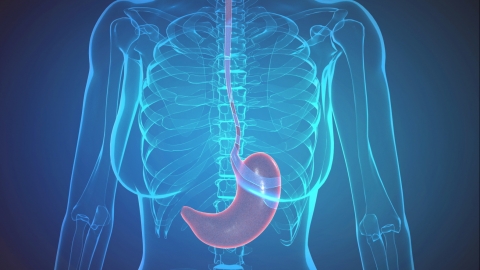
Baking soda, also known as sodium bicarbonate, is alkaline and can neutralize gastric acid by reacting with it, thereby reducing the acidity of the stomach contents and relieving discomfort symptoms caused by excessive stomach acid, such as heartburn and acid regurgitation. Compared with other medications, baking soda can relatively quickly neutralize stomach acid and alleviate the patient's discomfort in a short time. In cases of excessive stomach acid with mild symptoms, baking soda can be used as an adjunctive treatment.
If symptoms of excess stomach acid are severe or prolonged, more professional medical intervention may be required, and treatment with baking soda may not be suitable. Although baking soda can neutralize stomach acid, its effect is short-lived and does not address the underlying cause of excessive acid production. If the patient has peptic ulcer disease, hypertension, or is taking other medications—especially those with nephrotoxic potential—using baking soda could worsen the condition or interact with other drugs, affecting their efficacy.
When using baking soda to treat excessive stomach acid, it is essential to strictly follow the dosage recommendations provided by a healthcare professional or as indicated on the product label to avoid overdose. If symptoms persist or worsen, prompt medical attention should be sought.





