


Can Compound Paracetamol, Caffeine, and Pseudoephedrine Capsules be taken with Cefalexin?
Feb 18, 2025
Source: Cainiu Health

Dr. Ren Yi
Introduction
Cephalosporins are a class of cephalosporin antibiotics, mainly available in tablet, capsule, and dry suspension formulations. Generally, compound phenol caffeine pseudoephedrine capsules can be used together with cephalosporins. However, it is necessary to consult a physician or pharmacist before use to determine the proper dosage and frequency, avoiding self-medication that may lead to adverse reactions. Patients are advised to maintain a light diet in daily life, which helps with recovery.
Cephalosporins are a class of antibiotic medications known as cephalosporins, primarily available in dosage forms such as tablets, capsules, and dry suspensions. Under normal circumstances, Compound Paracetamol, Caffeine, and Pseudoephedrine Capsules can be taken together with cephalosporins, but this should be done under a doctor's guidance. Detailed explanation is as follows:
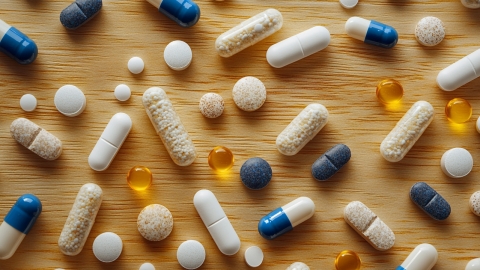
Compound Paracetamol, Caffeine, and Pseudoephedrine Capsules contain ingredients such as paracetamol (acetaminophen), pseudoephedrine hydrochloride, and chlorpheniramine maleate. They are primarily used to relieve symptoms such as fever, headache, and cough caused by the common cold or influenza. Cephalosporins, on the other hand, have effective antibacterial and anti-inflammatory properties and are primarily used for treating bacterial infections. There is no significant drug interaction between these two medications, and they generally can be used together if the patient is not allergic to any of the ingredients.
Before using these medications, it is essential to consult with a doctor or pharmacist to determine the correct dosage and frequency of administration, thus avoiding adverse reactions caused by self-medication. Additionally, alcohol consumption should be avoided during treatment with cephalosporin antibiotics and for seven days after discontinuation to prevent a disulfiram-like reaction, which could lead to serious symptoms such as difficulty breathing and shock.
Patients are advised to maintain a light diet, avoiding spicy, greasy, and irritating foods that may hinder the recovery process.





