


Does eating peanuts regularly raise or lower blood lipids?
Feb 18, 2025
Source: Cainiu Health

Dr. Tian Hongbo
Introduction
Peanuts are rich in monounsaturated and polyunsaturated fatty acids. These healthy fats help increase high-density lipoprotein (HDL) cholesterol while reducing low-density lipoprotein (LDL) cholesterol. Consuming peanuts in moderation can be part of a healthy diet and may help regulate blood lipid levels. This effect is particularly notable when peanuts and peanut products are used to replace saturated and trans fats in the diet.
If peanuts are consumed regularly but in appropriate amounts and combined with a healthy lifestyle, they generally help lower blood lipid levels. However, excessive peanut consumption along with unhealthy lifestyle habits may increase blood lipids.
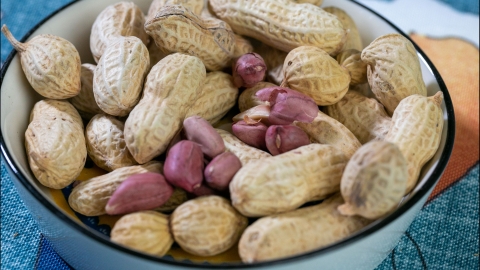
Peanuts are rich in monounsaturated and polyunsaturated fatty acids. These healthy fats can help increase high-density lipoprotein (HDL) cholesterol while reducing low-density lipoprotein (LDL) cholesterol. Consuming peanuts in moderation can be part of a healthy diet and aid in regulating blood lipids. Replacing saturated and trans fats in the diet—such as animal fats and fats found in processed foods—with peanuts and peanut products can be beneficial for lowering blood lipids.
Peanuts also contain a certain amount of protein and fat, particularly saturated fatty acids. Excessive consumption may lead to excessive fat intake, thereby increasing blood cholesterol levels and negatively affecting blood lipids. For individuals with impaired liver or kidney function or those with hyperlipidemia, even moderate peanut consumption may result in elevated blood lipid levels due to individual differences.
In daily life, it is recommended to consume peanuts in moderation and maintain a balanced diet with plenty of fruits and vegetables such as celery, spinach, apples, and bananas. Regular physical activity, smoking cessation, moderate alcohol consumption, and maintaining a healthy lifestyle are also important.





