


What foods should not be eaten with excess stomach acid?
Feb 21, 2025
Source: Cainiu Health

Dr. Shen Yonghua
Introduction
In general, people with excessive stomach acid should avoid eating hawthorn, waxberry, raw onions, raw garlic, sticky rice cakes, and similar foods. Patients with excess stomach acid should consume more alkaline and easily digestible foods to neutralize stomach acid and relieve gastrointestinal discomfort. At the same time, maintaining good eating habits and a healthy lifestyle is also an important method for preventing and managing excessive stomach acid.
Generally, individuals with excessive stomach acid should avoid foods such as hawthorn, waxberry, raw onion, raw garlic, and glutinous rice balls. Details are as follows:
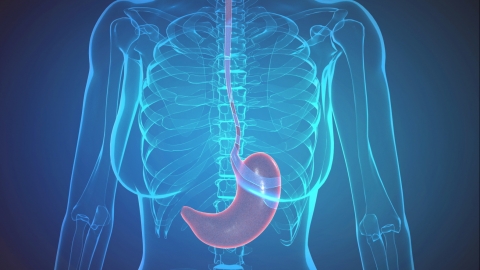
1. Hawthorn: Hawthorn has a sour and sweet taste and contains large amounts of organic and fruit acids, such as citric acid and malic acid. These acidic substances can irritate the gastric mucosa, stimulate excessive secretion of gastric acid, worsen the condition of excess stomach acid, and easily trigger symptoms such as stomach pain and heartburn.
2. Waxberry: Waxberry has a sour taste and is rich in fruit acid. Consumption can stimulate gastric acid secretion, potentially causing gastric discomfort, and even inducing diseases such as gastric ulcers in individuals with excessive stomach acid.
3. Raw Onion: Raw onion contains irritating components such as allicin, which not only irritates the gastric mucosa but also gets broken down by bacteria in the intestines to produce gas, leading to bloating. Additionally, it can promote gastric acid secretion, further aggravating the irritation of gastric mucosa by excess acid.
4. Raw Garlic: Raw garlic is highly irritating; its components, such as allicin, can stimulate the gastric mucosa, increase gastric acid secretion, and may cause symptoms such as heartburn and stomach pain. It can also lead to gastric mucosal congestion and edema, affecting gastric health.
5. Glutinous Rice Balls: Primarily made from glutinous rice, these are sticky and difficult to digest, remaining in the stomach for a prolonged period. This can continuously stimulate the gastric mucosa to secrete gastric acid, worsening the symptoms of excess stomach acid, and may also cause bloating and indigestion.
Patients with excessive stomach acid should consume more alkaline and easily digestible foods to neutralize gastric acid and relieve gastric discomfort. At the same time, maintaining good eating habits and lifestyle practices are important methods for preventing and treating excessive stomach acid.




