


What rehabilitation training can be done for a baby with developmental delays?
Feb 24, 2025
Source: Cainiu Health

Dr. Zhou Xiaofeng
Introduction
For infants with developmental delays, rehabilitation can be promoted through training in head lifting and rolling over, sitting and crawling, standing and walking, language development, as well as cognitive and social skills training. In daily life, parents should closely monitor their baby's growth and development and schedule regular health checkups. Additionally, providing a supportive living environment and proper nutritional support can promote the baby's healthy development.
For infants with developmental delays, rehabilitation can be promoted through exercises such as head-lifting and rolling over training, sitting and crawling training, standing and walking training, language therapy, and cognitive and social skills training. If any abnormalities are noticed, timely medical consultation is recommended. Detailed explanations are as follows:
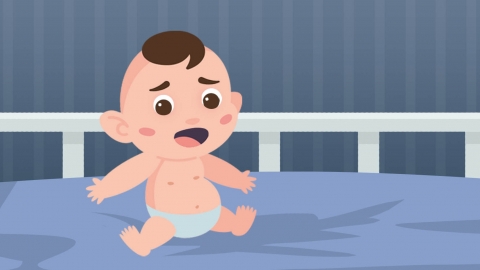
1. Head-lifting and Rolling-over Training: To strengthen the infant's neck and upper body muscles, head-lifting exercises can be conducted. Place the baby on their stomach on the bed and use brightly colored toys or sounds to attract the baby to lift their head, gradually increasing the duration of head control. Meanwhile, rolling-over training can be performed by guiding the baby from a supine position to a side-lying position. Initially, gently lift the baby's arm to guide them, then use toys to attract the baby to roll over independently, helping them master the skill.
2. Sitting and Crawling Training: Once the baby gains better control of their head and upper body, sitting training can begin. Allow the baby to lean against a sofa or chair, gradually reducing support to improve their sitting balance. For crawling training, place the baby's favorite toys in front of them to encourage forward crawling. Gently push the baby's feet to assist movement, helping them develop crawling coordination and motion skills.
3. Standing and Walking Training: Once the baby becomes proficient in crawling, standing and walking training can commence. Initially, allow the baby to stand holding onto railings or furniture, gradually transitioning to independent standing. Then, use toys to encourage the baby to take steps, starting with holding the parent's hand and progressing to walking independently, enhancing lower limb strength and gait stability.
4. Language Training: Infants with language delays require training in articulation, vocabulary accumulation, and language expression. Begin with simple vowels, encouraging the baby to imitate sounds, gradually introducing consonant-vowel combinations. Use pictures and real objects to teach the baby to recognize different items and expand vocabulary. Additionally, encourage the baby to express needs and thoughts verbally, engaging in simple conversations to improve expressive language abilities.
5. Cognitive and Social Skills Training: Cognitive training includes sensory stimulation and concept recognition, helping the baby explore the world through various sensory inputs, such as touching objects of different textures, listening to various sounds, and observing colorful images. Teach the baby concepts such as size, shape, and color. Social training involves eye contact, facial expression recognition, social interaction, and emotional expression. Through games and interactive activities, foster the baby's social and emotional skills.
In daily life, parents should closely monitor the infant's growth and development, and schedule regular health check-ups. Additionally, provide a supportive living environment and adequate nutrition to promote the baby's healthy development.




