Why do premature babies experience asphyxia?
Nov 19, 2025
Source: Cainiu Health

Dr. Zhou Xiaofeng
Introduction
Asphyxia in premature infants is often caused by underdeveloped respiratory systems, inadequate central respiratory control, airway obstruction, circulatory dysfunction, and infections, among other factors, requiring close monitoring during the perinatal period. If a premature infant shows signs such as rapid breathing, cyanosis, or grunting, immediate medical attention is recommended. Premature infants have immature lung tissue that has not fully developed.
Asphyxia in premature infants is often caused by underdeveloped respiratory systems, inadequate central respiratory control, airway obstruction, circulatory dysfunction, or infections. Close monitoring during the perinatal period is essential. If a premature infant shows signs such as rapid breathing, cyanosis, or grunting, immediate medical attention is recommended.
1. Underdeveloped respiratory system: The lungs of premature infants are not fully developed, and there is insufficient pulmonary surfactant. This makes alveolar expansion difficult and reduces gas exchange efficiency, failing to meet the body's oxygen demands and easily leading to hypoxia and asphyxia.
2. Inadequate respiratory center regulation: Premature infants have immature brain development and weak regulation of breathing rhythm by the respiratory center. This often results in apnea or irregular breathing patterns, interrupting oxygen intake and triggering asphyxia.
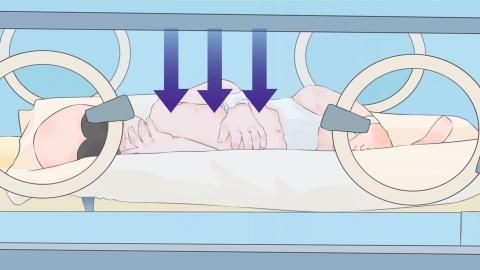
3. Airway obstruction: Premature infants have narrow airways with delicate mucous membranes, making them prone to mucus accumulation and blockage. Additionally, milk aspiration during feeding or inhalation of vomit can obstruct airflow, directly causing asphyxia.
4. Circulatory dysfunction: Some premature infants suffer from congenital heart disease or hypotension, impairing the blood circulation's ability to efficiently deliver oxygen to tissues. This leads to tissue hypoxia and indirectly triggers asphyxia.
5. Infection-induced factors: Premature infants have weak immune systems, making them susceptible to conditions such as pneumonia and sepsis. Inflammation from these infections can damage both respiratory and circulatory functions, worsening oxygen deficiency and increasing the risk of asphyxia.
Treatment requires prompt establishment of respiratory support, including oxygen therapy or mechanical ventilation to correct hypoxia, airway clearance to maintain patency, and targeted management of underlying conditions. Nursing care should include maintaining appropriate temperature and humidity, strict aseptic techniques, frequent small-volume feedings, and close monitoring of breathing patterns and skin color changes.