


How to correct flat feet
Feb 24, 2025
Source: Cainiu Health

Dr. Chen Jian
Introduction
In general, flat feet, also known as fallen arches, may be caused by incomplete development, genetic factors, obesity, tibialis anterior tendon dysfunction, diabetes, or other reasons. It is recommended to seek timely medical consultation, identify the underlying cause, and then proceed with recovery under the guidance of a qualified physician through conservative treatment, medication, or surgical intervention.
Generally, flat feet, also known as fallen arches, may be caused by incomplete growth and development, genetic factors, obesity, tibialis anterior tendon dysfunction, diabetes, and other reasons. It is recommended to seek timely medical consultation to determine the underlying cause, and then proceed with recovery through general treatment and medication under the guidance of a qualified physician. Detailed analysis is as follows:
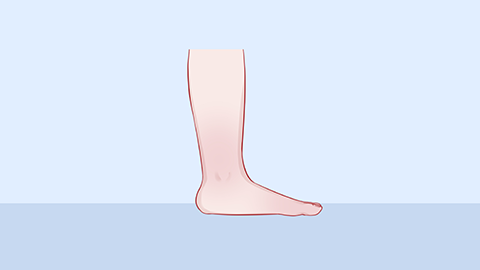
1. Incomplete Growth and Development
During the growth and development stage, the bones, muscles, and ligaments of the feet have not fully matured. The arches may collapse due to weight gain or excessive physical activity. As one ages, the foot structure gradually matures, and the arch shape may naturally improve.
2. Genetic Factors
Flat feet may be related to heredity. If someone in the family has flat feet, it may lead to poor arch development or insufficient tension in the foot muscles and ligaments, making arch collapse more likely. Physical therapies such as foot massage and heat application can enhance blood circulation in the feet and promote the recovery of muscle and ligament elasticity.
3. Obesity
Obesity increases the weight borne by the feet, especially during prolonged standing or walking. The soft tissues and ligaments in the soles may become damaged due to excessive loading, leading to fallen arches. Symptoms may include foot pain, gait abnormalities, and easy fatigue. Weight management through healthy eating and regular exercise is recommended to reduce body weight and relieve pressure on the feet. Additionally, wearing appropriate footwear and using arch support insoles can help distribute foot pressure and alleviate symptoms.
4. Tibialis Anterior Tendon Dysfunction
Injury or inflammation of the tibialis anterior tendon can weaken its support for the arch, increasing the pressure on the sole and leading to arch collapse. Symptoms may include foot pain and discomfort while walking. For tibialis anterior tendon dysfunction, conservative treatments such as bracing, physical therapy, and foot muscle strengthening exercises should be initially considered to relieve symptoms and enhance foot stability.
5. Diabetes
Diabetes is a group of metabolic disorders characterized by chronic elevation of blood glucose levels. Neuropathy and vascular disease associated with diabetes may lead to reduced foot sensation and structural changes in the arch, resulting in arch collapse. Symptoms may include numbness, tingling, foot ulcers, and infections. Active blood sugar control is essential, often involving medications such as metformin hydrochloride extended-release tablets, glipizide tablets, and acarbose tablets. Simultaneously, foot muscle strengthening exercises can help improve foot stability.
When treating fallen arches, appropriate treatment methods should be selected based on individual conditions, along with maintaining healthy lifestyle habits and a positive mindset.




