


Can mung bean sprouts and tomatoes be eaten together?
Feb 25, 2025
Source: Cainiu Health

Dr. Yu Yongchao
Introduction
Under normal circumstances, mung bean sprouts and tomatoes can be consumed together, but it is important to maintain a moderate intake. Both mung bean sprouts and tomatoes are rich in essential nutrients. Mung bean sprouts contain vitamins and various minerals such as potassium, magnesium, and iron, which play important roles in enhancing immunity, promoting metabolism, and antioxidant activity. Tomatoes, on the other hand, are rich in vitamin C.
Generally speaking, mung bean sprouts and tomatoes can be consumed together, but it is important to maintain moderate intake. The detailed analysis is as follows:
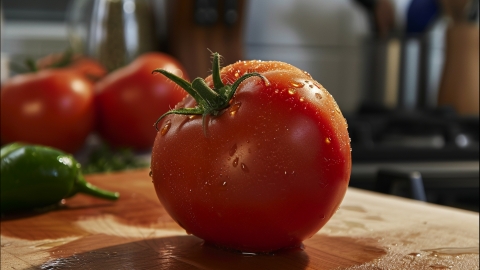
Both mung bean sprouts and tomatoes are rich in essential nutrients. Mung bean sprouts contain various vitamins and minerals, such as potassium, magnesium, and iron, which play important roles in enhancing immunity, promoting metabolism, and providing antioxidant effects. Tomatoes are abundant in vitamin C, lycopene, folate, and cellulose. Lycopene, in particular, is a powerful antioxidant that can reduce the risk of heart disease. When consumed together, mung bean sprouts and tomatoes provide a comprehensive range of nutrients, offering more complete nutritional support to the body.
The components of mung bean sprouts and tomatoes do not conflict with each other, and consuming them together does not cause adverse reactions. The vitamins and minerals in mung bean sprouts can work synergistically with organic acids and lycopene in tomatoes to jointly promote health. Both vitamin C and lycopene have antioxidant properties that help combat free radical damage and prevent oxidative injury to body cells. Additionally, the dietary fiber in mung bean sprouts supports intestinal health, while the water content and potassium in tomatoes help regulate fluid balance.
Although both mung bean sprouts and tomatoes are nutritious, excessive consumption may burden the digestive system. Therefore, it is recommended to consume them in moderation and appropriately combine them according to individual health conditions and nutritional needs.



