


Is hypothyroidism associated with plaque?
Feb 25, 2025
Source: Cainiu Health

Dr. Yang Chuanjia
Introduction
Hypothyroidism is an endocrine system disorder characterized by reduced secretion of thyroid hormones or insufficient physiological effects, leading to decreased metabolic activity in the body. Its main symptoms include memory loss, intellectual disability, slowed reflexes, excessive sleepiness, bradycardia, loss of appetite, and abdominal distension. Plaques typically refer to yellowish-brown or dark-brown patches appearing on the skin.
Hypothyroidism, or underactive thyroid, is generally not associated with plaque formation, although specific circumstances may create a connection. If discomfort or symptoms arise, it is recommended to promptly visit a hospital for diagnosis and treatment according to medical advice, to avoid delaying the condition.
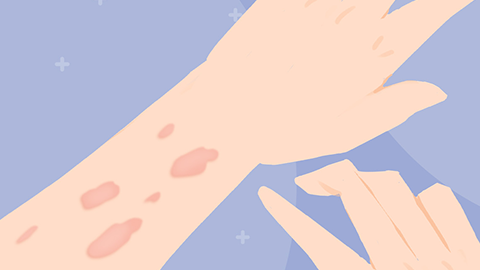
Hypothyroidism is an endocrine disorder caused by decreased secretion of thyroid hormones or insufficient physiological effects, leading to a reduced metabolic rate. Its main symptoms include memory loss, low intelligence, slow response, drowsiness, bradycardia, loss of appetite, and abdominal distension. Plaques typically refer to yellowish-brown or dark brown patches appearing on the skin, commonly found on the face, neck, and back of the hands. Skin pigmentation is not a typical symptom of hypothyroidism, so generally speaking, hypothyroidism is not directly related to the formation of skin plaques.
However, it is important to note that hypothyroidism may lead to various cardiovascular changes, including abnormal blood lipid levels such as elevated cholesterol and low-density lipoprotein levels, thereby increasing the risk of atherosclerosis, which is characterized by plaque buildup on the walls of blood vessels. Patients with long-term uncontrolled hypothyroidism have an increased risk of cardiovascular diseases, including coronary artery disease, myocardial infarction, and stroke, all of which are associated with plaque formation in blood vessels.
When undergoing medication treatment, patients should strictly follow medical instructions and take their medication regularly, avoiding abrupt discontinuation which could worsen the condition. In daily life, patients should also pay attention to sun protection and avoid staying in environments with strong ultraviolet radiation for prolonged periods to prevent skin pigmentation.







