


Can mannitol reduce intracranial swelling?
Feb 25, 2025
Source: Cainiu Health

Dr. Lv Zhiqin
Introduction
Mannitol is an osmotic diuretic commonly used to treat acute cerebral edema and reduce intracranial pressure. When intracranial pressure increases due to causes such as brain injury, brain tumors, or cerebrovascular disease, doctors may recommend the use of mannitol. Mannitol works by increasing blood osmotic pressure, which promotes the transfer of water from brain tissue into the blood vessels, followed by excretion through the kidneys.
Mannitol is commonly available in injectable form and is often used to reduce intracranial swelling. It is recommended to use this medication under a doctor's guidance. If any physical discomfort occurs, it is advised to seek medical attention at a hospital as soon as possible, followed by treatment according to medical advice.
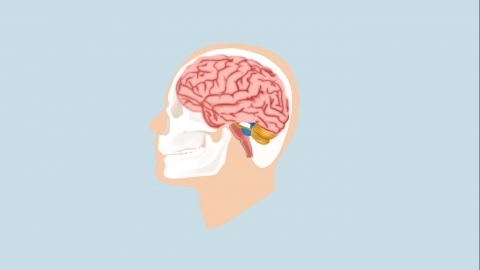
Mannitol is an osmotic diuretic commonly used to treat acute cerebral edema and reduce intracranial pressure. When a patient's intracranial pressure increases due to brain injury, brain tumors, cerebrovascular disease, or other causes, doctors may recommend the use of mannitol. Mannitol works by increasing blood osmotic pressure, which promotes the transfer of fluid from brain tissue into blood vessels, subsequently being excreted from the body via the kidneys, thereby reducing brain tissue swelling and lowering intracranial pressure.
Administered via rapid intravenous infusion, mannitol can quickly elevate plasma osmotic pressure, exerting a dehydrating effect that reduces cerebral edema, lowers intracranial pressure, and prevents the formation of brain herniation. Mannitol can also act as an osmotic diuretic for the prevention and treatment of acute renal failure. By increasing the osmotic pressure within renal tubules, it reduces the reabsorption of water and electrolytes, promoting increased urine output, which helps the kidneys eliminate excess fluid and toxins from the body.
The use of mannitol must strictly follow medical instructions; self-medication is not advised. Maintaining a balanced diet and avoiding high-salt and high-fat foods can help maintain water and electrolyte balance, facilitating recovery.





