


Can a fasting blood glucose level of 7.0 mmol/L on two separate occasions diagnose diabetes?
Feb 26, 2025
Source: Cainiu Health

Dr. Liu Feng
Introduction
The normal fasting blood glucose level for a healthy individual should be between 3.9 and 6.0 mmol/L. If two separate fasting blood glucose tests, conducted on different days, both reach or exceed 7.0 mmol/L, a diagnosis of diabetes is typically made. It is recommended to perform blood glucose testing under the guidance of a qualified physician and to consider additional tests such as glycated hemoglobin (HbA1c) and oral glucose tolerance tests.
Generally, diabetes can be diagnosed if two separate fasting blood glucose tests taken on different days both show a value of 7.0 mmol/L. If both readings reach this level on the same day, diabetes usually cannot be diagnosed. If physical discomfort occurs, it is recommended to seek medical attention at a hospital promptly and follow the doctor's instructions for treatment.
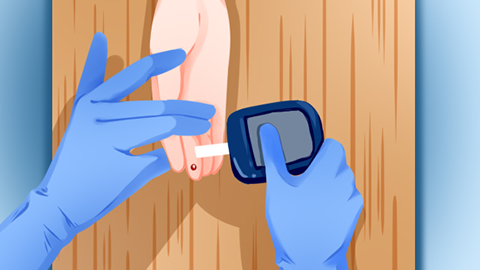
The fasting blood glucose level for a healthy person should be between 3.9 and 6.0 mmol/L. If two fasting blood glucose test results both reach or exceed 7.0 mmol/L, and the tests were conducted on different days, a diagnosis of diabetes can typically be made. It is recommended to perform blood glucose testing under the guidance of a qualified physician and to make a comprehensive assessment based on additional tests such as glycated hemoglobin (HbA1c) and oral glucose tolerance tests.
If a patient has only one fasting blood glucose reading of 7.0 mmol/L and another that does not reach this level, or if both readings are at least 7.0 mmol/L but there are no symptoms of diabetes, a diagnosis of diabetes should not be made based solely on fasting blood glucose levels. To confirm the diagnosis, further testing using an oral glucose tolerance test is required. The oral glucose tolerance test is an important method for diagnosing diabetes. If the blood glucose level is 11.1 mmol/L or higher two hours after the test, a diagnosis of diabetes can be made.
Maintaining a healthy lifestyle, including balanced nutrition, regular physical activity, avoiding smoking, and limiting alcohol consumption, can help prevent and manage diabetes.





