Can diabetics drink sea buckthorn puree?
Mar 03, 2025
Source: Cainiu Health

Dr. Liu Feng
Introduction
Diabetic patients should pay attention to food ingredient labels in their daily lives. Generally speaking, if a diabetic patient's blood sugar levels are relatively stable, they may consume sea buckthorn pulp, but should do so in moderation. Blood sugar levels should be monitored after consumption to ensure stability. However, if a diabetic patient's blood sugar control is not particularly satisfactory and symptoms of prolonged elevated blood sugar occur, it is not recommended to consume sea buckthorn pulp.
Generally speaking, if a diabetic patient's blood sugar levels are relatively stable, they can usually consume sea buckthorn pulp, but should do so in moderation. If a diabetic patient has poor glycemic control, however, consumption is not recommended. If any abnormalities occur, prompt medical attention is advised. Detailed explanations are as follows:
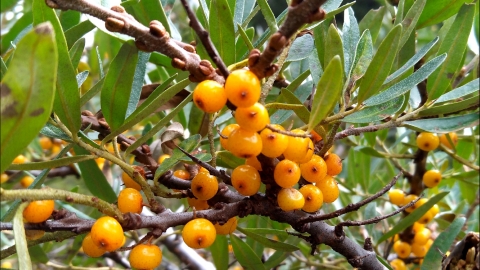
When a diabetic patient maintains good glycemic control and blood sugar levels remain steadily within the target range, moderate consumption of sea buckthorn pulp is acceptable. Especially for sugar-free or low-sugar sea buckthorn pulp products, moderate consumption will not affect blood glucose levels. The antioxidants present in sea buckthorn pulp can help improve immunity and may offer some benefits in preventing complications.
If a diabetic patient's glycemic control is not ideal and elevated blood sugar levels persist over time, then consuming sea buckthorn pulp is not advisable. Once sea buckthorn berries are processed into pulp or juice, their carbohydrate content becomes more readily absorbed by the body, potentially leading to a rapid increase in blood sugar. Diabetic patients often have impaired pancreatic function, insufficient insulin production, or delayed insulin secretion, making it difficult to promptly regulate elevated blood glucose levels. This may worsen their condition and negatively affect health.
Diabetic patients should pay attention to food ingredient labels in daily life, choose low-sugar or sugar-free options, and monitor blood glucose changes after consumption to ensure stable blood sugar levels.