


Can expired milk still provide nutrition?
Mar 03, 2025
Source: Cainiu Health

Dr. Shen Yonghua
Introduction
After the expiration date, the nutritional components of milk, such as proteins, fats, and vitamins, may undergo denaturation or decomposition, significantly reducing its nutritional value. The loss of these nutrients means that expired milk can no longer provide the intended nutritional benefits to the body. Expired milk also becomes prone to the growth of various pathogenic microorganisms, such as bacteria and mold.
Generally speaking, expired milk is usually not suitable for nutritional supplementation. The detailed explanation is as follows:
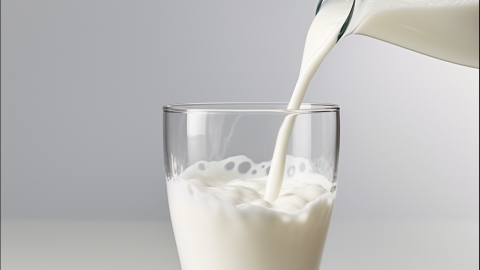
After expiration, the nutritional components in milk, such as proteins, fats, and vitamins, may undergo denaturation or decomposition, significantly reducing its nutritional value. The loss of these nutrients means expired milk can no longer provide the body with the originally intended nutritional benefits.
Expired milk can easily become a breeding ground for various pathogenic microorganisms, such as bacteria and mold. The growth of these microbes not only degrades the original nutritional content of the milk but may also produce harmful substances that pose a threat to human health. Consuming such milk may lead to digestive discomfort, diarrhea, and even more severe health issues.
Therefore, it is recommended to consume milk before its expiration date to ensure food safety and health. If unsure whether the milk has expired, it is best to check its appearance, odor, and taste to help determine if it is still safe to consume. If the milk is found to be expired or spoiled, it should be discarded immediately and replaced with an alternative.



