


How to recover from weakness and fatigue after surgery

Weakness and fatigue after surgery can be improved through nutritional supplementation, moderate activity, adequate sleep, emotional regulation, and prevention of complications. If abnormal symptoms such as persistent high fever, difficulty breathing, or severe wound infection occur during recovery, prompt medical attention is required.
1. Nutritional supplementation: Nutrition should be gradually restored after surgery. Start with easily digestible liquid foods, then progressively transition to semi-solid and solid diets rich in protein and vitamins to meet the body's needs for tissue repair and to strengthen physical condition.
2. Moderate activity: Begin light physical activities as early as possible under a doctor’s guidance. This helps prevent muscle atrophy caused by prolonged bed rest, promotes blood circulation and gastrointestinal function recovery, and enhances physical endurance.
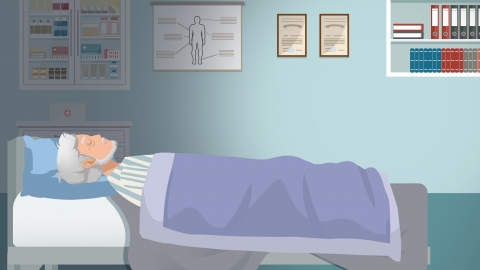
3. Adequate sleep: Ensure sufficient sleep each day to support tissue regeneration and immune system function. Avoid staying up late, which may worsen postoperative weakness.
4. Emotional regulation: Maintain a positive and optimistic mindset. Avoid negative emotions such as anxiety and depression, which can disrupt endocrine function and impair recovery. Emotional well-being can be supported through family companionship, listening to soothing music, or other relaxing activities.
5. Complication prevention: Carefully follow medical instructions for wound care and medication schedules to prevent complications such as infection and thrombosis. Minimizing additional physical stress creates favorable conditions for recovery.
Postoperative care should also include maintaining a clean and comfortable environment, ensuring good indoor ventilation, and dressing appropriately according to body needs to avoid catching a chill. Diet should be mild and regular, avoiding spicy or irritating foods. Regular monitoring of vital signs and close coordination with healthcare providers to adjust the recovery plan will help the body gradually return to health.


