


Can improving eating habits cure dizziness?
Mar 03, 2025
Source: Cainiu Health

Dr. Lv Zhiqin
Introduction
If dizziness is caused by anemia, particularly iron-deficiency anemia, increasing intake of iron-rich foods can help improve the anemia and thereby alleviate dizziness. Iron-rich foods include animal liver, lean meat, spinach, etc. For dizziness caused by low blood pressure, appropriately increasing salt intake may help raise blood pressure, but care should also be taken to avoid excessive consumption.
Improving dietary habits can help treat dizziness to some extent, but cannot replace professional medical diagnosis and treatment. If dizziness is caused by hypertension, heart disease, ear problems, or neurological diseases, improving dietary habits may not effectively treat the dizziness. Timely medical consultation and detailed examination and diagnosis are necessary to determine the specific cause of dizziness and implement appropriate treatment measures. Analysis is as follows:
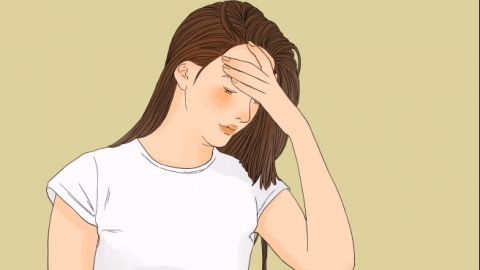
If dizziness is caused by anemia, especially iron-deficiency anemia, increasing intake of iron-rich foods can help improve the anemic condition, thereby alleviating dizziness. For dizziness caused by low blood pressure, appropriately increasing salt intake may help raise blood pressure, but care should be taken not to consume excessive amounts, to avoid triggering health problems such as hypertension. Additionally, eating more nutritious foods that provide energy, such as eggs, milk, and fish, is also recommended.
However, although dietary improvements may help alleviate dizziness to some extent, they cannot replace professional medical diagnosis and treatment. If dizziness is caused by serious conditions such as hypertension, heart disease, ear problems, or neurological diseases, the effects of improving dietary habits may be limited.
In daily life, it is recommended to maintain good living habits and mindset, pay attention to balancing work and rest, and engage in appropriate outdoor activities, which can also help alleviate symptoms of dizziness.






