What causes dizziness and fever after a head injury, and what should be done?
Dec 01, 2025
Source: Cainiu Health

Dr. Li Feng
Introduction
In general, dizziness and fever following a head injury may be caused by concussion, stress-induced fever, cerebral contusion, intracranial hematoma, skull fracture with infection, or other reasons. Depending on the specific situation, treatment options such as supportive care, medication, or surgical intervention may be chosen to improve the condition. Symptoms after head trauma should never be ignored; immediate medical attention is required if vomiting or altered consciousness occurs.
Generally, dizziness and fever after a head impact may be caused by concussion, stress-induced fever, cerebral contusion, intracranial hematoma, or skull fracture with infection. Depending on the specific situation, treatments such as general supportive care, medication, or surgical intervention can be selected to improve symptoms. A detailed analysis is as follows:
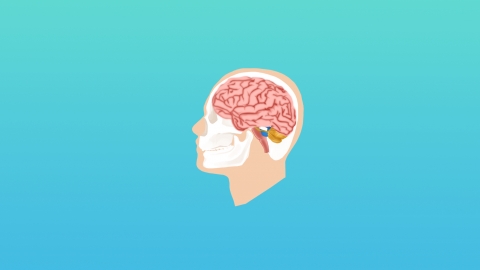
1. Concussion
A head impact can cause temporary dysfunction of brain function, with the vestibular system affected leading to dizziness, and the body's stress response causing low-grade fever. Bed rest for 1–2 weeks is recommended, avoiding mental exertion, maintaining a light diet, and monitoring body temperature changes.
2. Stress-Induced Fever
After impact, the body enters a state of stress, with sympathetic nervous system activation disrupting the hypothalamic thermoregulatory center, resulting in fever and dizziness. Drinking plenty of warm water helps promote metabolism; wiping the forehead with a warm towel can help reduce body temperature, and emotional stability should be maintained.
3. Cerebral Contusion
Brain tissue may develop edema and hemorrhage due to impact, with inflammatory responses causing fever and increased intracranial pressure worsening dizziness. Under medical guidance, medications such as mannitol injection, citicoline sodium tablets, and extended-release acetaminophen tablets may be used, along with strict bed rest.
4. Intracranial Hematoma
Hematomas compress brain tissue causing dizziness, while fever results from pyrogenic substances released during hematoma absorption. Immediate medical attention is required. Small hematomas may be treated with tranexamic acid tablets, etamsylate tablets, and cefuroxime axetil tablets; larger ones may require surgical evacuation of the hematoma.
5. Skull Fracture with Infection
Fracture fragments may injure the meninges, allowing bacterial invasion and subsequent infection, leading to high fever, dizziness, headache, and vomiting. As prescribed by a physician, antibiotics such as ceftriaxone sodium injection, levofloxacin tablets, and metronidazole injection may be administered, along with surgical reduction and fixation of the skull fracture.
Do not ignore symptoms following a head injury—especially if vomiting or altered consciousness occurs, immediate medical evaluation is necessary. Proper head protection should be practiced in daily life, and strenuous activity should be avoided after head trauma. Adequate sleep is essential during recovery, and if symptoms recur, timely follow-up with cranial CT scan is advised.