


Is genital herpes AIDS?
Mar 03, 2025
Source: Cainiu Health

Dr. Bai Hongmei
Introduction
Under normal circumstances, genital herpes is not AIDS. The two are sexually transmitted diseases caused by different pathogens and have distinct clinical manifestations and pathological characteristics. It is important to maintain good personal hygiene, wash the genital area daily, change underwear frequently, and keep the area clean and dry. Do not share towels, bath towels, or other personal items with others, and opt for showers instead of baths when using public bathrooms.
Generally speaking, genital herpes is not AIDS. The two are distinct sexually transmitted diseases caused by different pathogens, with different clinical manifestations and pathological characteristics. A detailed analysis is as follows:
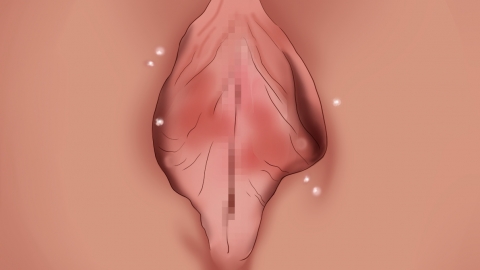
Genital herpes is a sexually transmitted disease caused by the herpes simplex virus. It mainly manifests as blisters or ulcers around the genitals or anus, accompanied by symptoms such as pain and itching, and is characterized by recurrence. AIDS, on the other hand, is a severe immunodeficiency disease caused by the human immunodeficiency virus (HIV). HIV primarily attacks CD4+ T lymphocytes in the human immune system, leading to a gradual decline in immune function and resulting in various opportunistic infections and tumors with complex clinical presentations.
From the perspective of pathogens, herpes simplex virus and human immunodeficiency virus are entirely different viruses, with significant differences in viral structure and biological properties. In terms of disease nature, genital herpes mainly involves localized skin and mucous membrane lesions. Although it tends to recur, it generally does not cause severe and irreversible damage to the systemic immune system like HIV does.
Maintain good personal hygiene in daily life. Wash the genital area daily, change underwear frequently, and keep the local area clean and dry. Do not share towels, bath towels, or other personal items with others. When using public bathrooms, opt for showers and avoid using public toilet seats to reduce the chances of indirect infection.





