


What are the symptoms of genital herpes?
Mar 12, 2025
Source: Cainiu Health

Dr. Liu Wenmin
Introduction
In general, genital herpes refers to herpes affecting the genital area, and its symptoms include genital blisters, localized itching, painful ulcers, erythematous papules, fever, headache, and others. It is important to avoid contact with infection sources in daily life, refrain from using shared towels, bath towels, toilet seat covers, and other personal items indiscriminately. Extra personal protection should be taken when visiting public bathhouses, swimming pools, and similar places to reduce the possibility of indirect infection.
Generally, genital herpes refers to herpes affecting the genital area, with symptoms including genital blisters, localized itching, painful ulcers, erythematous papules, fever, headache, and others. A detailed analysis is as follows:
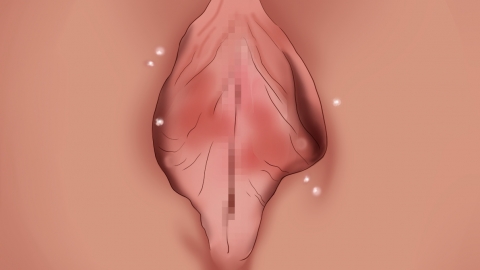
1. Genital Blisters
When the herpes simplex virus invades skin and mucosal cells, it replicates extensively within the cells, causing cellular swelling and rupture, with subsequent exudation of tissue fluid, leading to the formation of blisters.
2. Localized Itching
The viral infection triggers a localized immune response. Inflammatory mediators released by immune cells stimulate nerve endings, often resulting in itching sensations at the affected site before and after the appearance of blisters.
3. Painful Ulcers
After the blisters rupture, erosion or shallow ulcers may develop, accompanied by significant pain. The rupture of blisters compromises the integrity of the skin and mucous membranes, exposing nerve endings. External stimuli act directly on these nerves, causing intensified pain.
4. Erythematous Papules
Prior to or simultaneously with blister formation, the body's early inflammatory response to the viral infection may cause vasodilation and cellular infiltration, leading to the appearance of erythematous papules on the skin.
5. Fever and Headache
The viral infection triggers a systemic immune response. The immune system releases numerous cytokines and other substances that affect the body's temperature-regulating center, causing symptoms such as fever, headache, and fatigue.
It is important to avoid contact with sources of infection in daily life, refrain from using shared towels, bath towels, toilet seat covers, and other personal items. Extra personal protection is necessary when visiting public places such as bathhouses and swimming pools to reduce the likelihood of indirect infection.





